
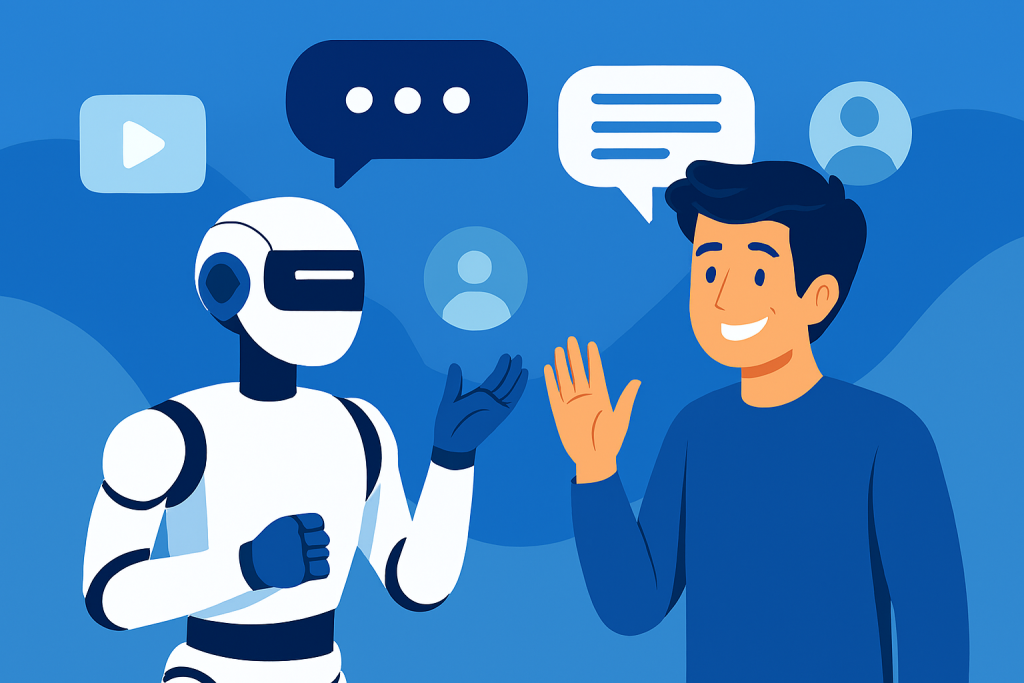
Artificial intelligence (AI) has transformed how we produce, consume and interact with digital content. AI-generated chatbots now respond instantly, while tools that create videos and draft articles generate images or draft articles using AI technologies. While these powerful tools exist today, there still exists one major challenge associated with using them for content production: How can we make AI-generated content feel authentic and engaging? Content production requires not only faster production but also humanizing AI technology so as to craft digital experiences with deeper resonance that resonate with viewers.
Authenticity is Critical in Digital Content
As audiences become more sophisticated and digital platforms evolve, generic or robotic content becomes easily identifiable for readers and customers. Brands that fail to engage their target audiences authentically risk becoming disregarded or losing ground among customers.
AI technology can be highly efficient; however, efficiency alone cannot ensure impactful content creation. People want emotional connections and story experiences; therefore the future of content creation won’t involve replacing human creativity with machine intelligence; instead, it will combine both for tailored user experiences tailored specifically for all users individually.
Transition From Automation to Collaboration
AI was once seen in the content industry as an automation mechanism, handling tasks such as caption creation or article outlining. Today, however, we live in an age in which AI serves more as a companion than as an automated replacement to humans.
Writers and marketers have increasingly employed Artificial Intelligence (AI) in their creative processes, providing inputs such as context, brand values and emotional nuance for AI to make products itself. This collaborative approach allows creatives to take advantage of AI’s speed and scale while maintaining humanistic voices for final outputs.
Personalization at Scale
AI’s ability to process massive amounts of data is one of its greatest assets, enabling content creators to tailor messages specifically to specific audiences – imagine writing an article that feels personal for each reader or creating marketing campaigns that speak directly to customer needs and values!
Personalization without empathy can feel intrusive; therefore, humanization is essential in this instance. Personalization by AI will encompass not only data analysis, but also human emotions, cultural nuance and context to produce tailor-made materials instead of mass-produced ones.
Humanized AI: Ethical Responsibility
Ethics must be at the core of AI development. Humanizing AI goes beyond making it more relatable; rather, it involves transparency, fairness and accountability when creating content with AI. Audience members should be aware when AI is being utilized to produce such pieces, while creators must utilize it responsibly to avoid misleading or biased material being produced using AI.
AI should be used ethically to enhance authenticity. Consumers prefer brands that are transparent about their processes. AI needs to evolve beyond being used exclusively as an “under-the-table secret tool”, towards being part of the creative process as an equal partner.
The Role of Human Creativity
No matter how advanced AI may become, no human emotion, imagination or lived experience can ever match it. Humans provide originality while AI enhances and refines it; together they produce stronger digital experiences where AI does the heavy lifting while humans provide voice, culture and emotional resonance.
Novelists could utilize artificial intelligence (AI) to use plot twists while maintaining their individual voices, and marketers could utilize it to research keywords while crafting headlines with emotional resonance – acting more as an aid than replacing creativity itself.
Looking Ahead
AI will play an increasingly influential role in content production of the future, yet how we use AI to humanize that content will ultimately determine its success. Our challenge as creators, consumers and businesses is to use AI responsibly so as not to compromise authenticity but instead enhance it.
Artificial Intelligence can produce digital experiences that are both intelligent and personal – qualities which remain invaluable in the digital era of content overload.