
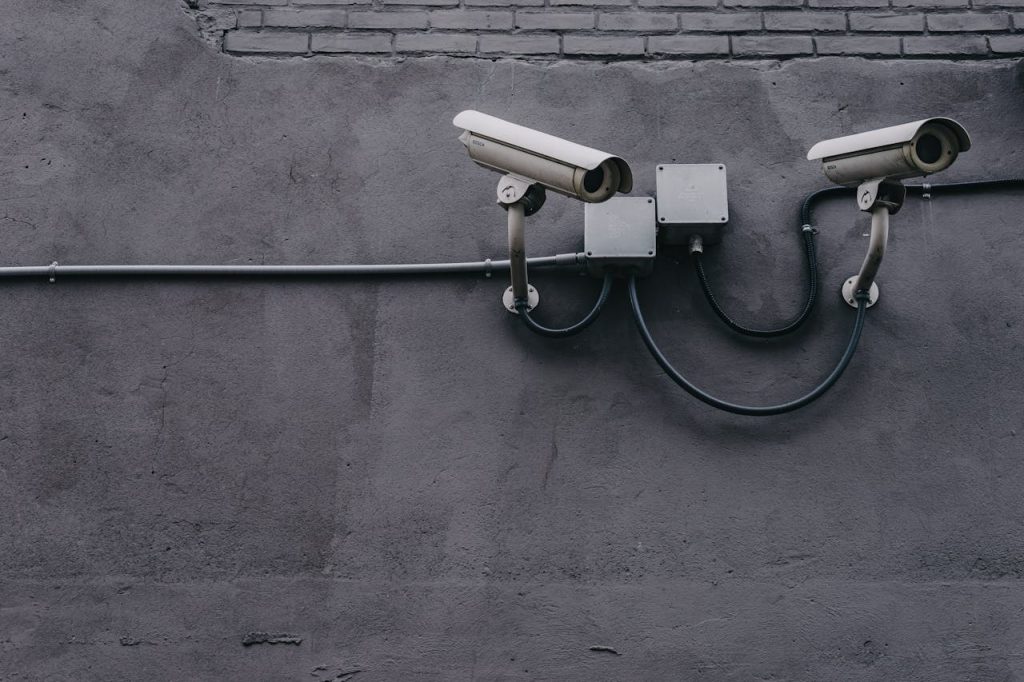
Outdated security systems don’t just fail. They become active liabilities that put your business in a vulnerable position. Padlocks, disconnected cameras, and basic alarms might feel sufficient until a single vulnerability unravels everything. Modern threats demand proactive, integrated defense. Upgrading isn’t about flashy gadgets; it’s replacing reactive gaps with seamless protection that operates invisibly while your business thrives. The right commercial security systems transform security from a cost into your most reliable operational partner. Here’s how to modernize without disruption. Here’s a guide to upgrading outdated business security measures every business owner needs to read.
Professional Monitoring for Your Business
Outdated systems flood you with false alarms or miss real threats entirely. Modern professional monitoring eliminates this chaos through verified threat assessment. When sensors trigger, trained experts instantly review live camera feeds and access logs to confirm incidents. This slashes false alarms significantly, freeing your team from alert fatigue. Most importantly, verified threats trigger immediate action since they’re scrutinized, and the chances for red flags are consistently addressed. The monitoring centers dispatch law enforcement before intruders breach critical zones, coordinate with your on-security staff, and preserve forensic evidence. This forensic evidence can help significantly in the event that someone tries a break and enter (B&E). With these upgrades, your security system evolves from passive observation. It becomes an active intervention system that turns alerts into outcomes, ensuring help arrives precisely when seconds matter most.
Data Security & Protection Awareness as Core Protocol
Legacy security often treats data protection as an IT afterthought. Modern commercial security systems embed awareness into daily operations. We live in a world where hackers evolve every day and release a better virus than the ones faced before. While antiviruses work, they are useless against a newer variation of an attack or a different virus altogether. That’s why you need to move beyond annual compliance training. It’s high time you implemented real-time behavioral safeguards in your business operations. These safeguards include mandatory encryption for files leaving company devices. Automatic session timeouts occur if an employee has been away from their workstation for a while. It also includes contextual access controls that restrict sensitive data based on role and location. Train teams to spot subtle red flags, like unexpected password reset requests or unusual file download patterns. When employees recognize phishing attempts as naturally as locking doors, data protection shifts from a technical hurdle to a shared operational reflex. This cultural shift turns every team member into a vigilant layer of defense.
Using the Zero Trust Architecture
Old perimeter-based security assumes everything inside the network is safe – a fatal flaw when threats originate internally or via compromised credentials. Zero Trust Architecture (ZTA) dismantles this illusion. It operates on one principle: never trust, always verify. Every access request, whether from an employee’s laptop or a third-party vendor, is authenticated and authorized in real time, regardless of location. ZTA segments networks so a breach in one zone (like the marketing department) can’t spread to finance servers. It continuously validates device health and user behavior, blocking suspicious activity before damage occurs. Crucially, integrated commercial security systems implement ZTA without workflow friction: seamless single sign-on for legitimate users, automated policy enforcement, and granular access that adapts to risk levels. ZTA isn’t the same as implementing a lockdown. It’s intelligent precision that secures operations while enabling productivity.
Modern Access Control Systems Replace Outdated Keys
Traditional key systems create more problems than they solve. Lost keys mean expensive rekeying jobs that disrupt operations. Former employees might still have access through unreturned keys. There’s no way to track who enters specific areas or when. Modern access control solves these issues with practical upgrades that fit into daily operations. Electronic key fobs or mobile credentials eliminate the risks of physical keys. If a fob gets lost, it can be deactivated immediately without changing locks. Systems generate detailed logs showing exactly who accessed which areas and when. The business benefits go beyond security. Managers can grant temporary access to contractors without needing to be onsite. Schedules automatically adjust access permissions during off-hours. Upgrading access control is about creating smarter pathways that protect your business while keeping operations flowing smoothly.
Final Words
When your defenses operate below conscious awareness, security transforms from a burden into your business’s strongest assets. Imagine teams moving without second-guessing alarms, clients trusting your data integrity implicitly, and compliance audits becoming routine check-ins rather than crisis drills. This isn’t theoretical. It’s what happens when commercial security systems replace brittle checkpoints with precise intelligence. Start by upgrading your weakest link. Because the phrase “a chain is only as strong as the weakest link” becomes your biggest liability when we talk business, defense against attackers trying to bring it down. When threats meet defenses that adapt faster than they evolve, your business doesn’t merely survive disruption. It runs ahead of it.