
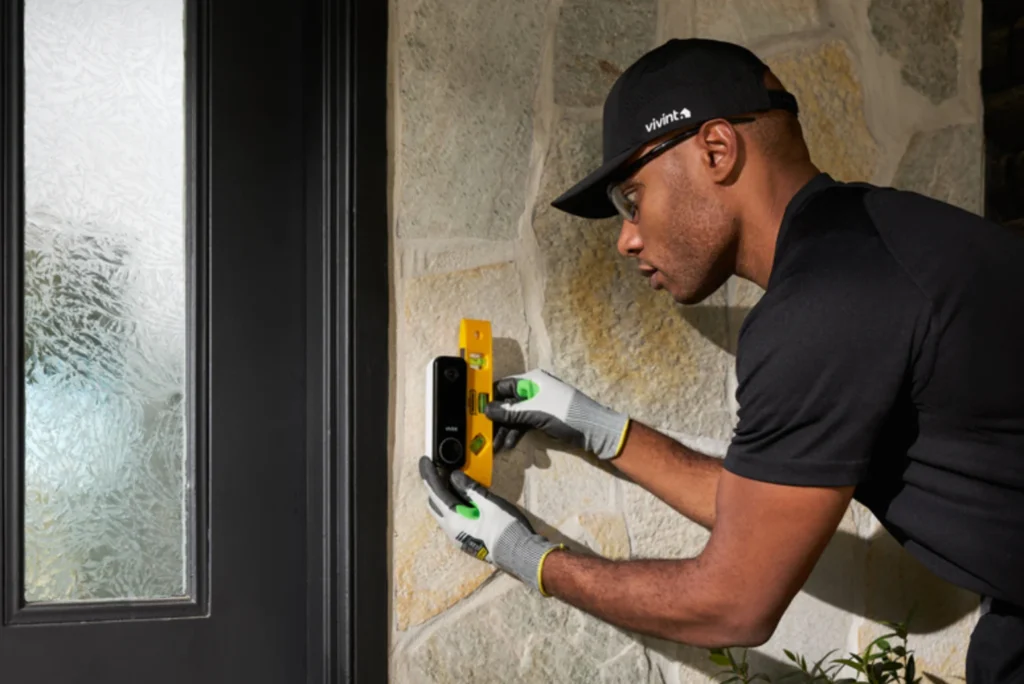
The way we install smart home automation is changing. A technician used to come out, set up the routines, and the homeowner lived with whatever schedule got programmed that day. Now homeowners adjust routines on their own, whenever life changes.
Parks Associates’ 2026 State of Connected Home report describes the shift as a move away from manual, app-by-app control toward orchestrated home experiences, with AI increasingly tying separate devices into single routines. The industry’s own term for this, platform orchestration, describes something homeowners have wanted for years:
Homes that run themselves, without a phone call every time a schedule changes.
A December 2025 white paper from Parks Associates and Vivint found that 40% of smart home device owners coordinate their devices into routines, but 39% of those homeowners run into difficulty setting them up. Parks Associates separately tracks a segment it calls Power Users, households owning six or more connected devices. Once households cross that threshold, interest in sophisticated routines rises sharply, but so does the friction of actually building one.
Most connected homes run devices from several manufacturers, each with its own app, its own login, and its own rules for what counts as a routine. Locks, thermostats, lights, and security panels acting together on one trigger means working across every one of those apps at once, usually without any of them designed to talk to each other. Homeowners without the patience to wrestle four apps into one sequence find real automation stays out of reach.
Vivint’s approach keeps every device inside one platform from the start. Custom Actions, a feature built into the Vivint app, lets homeowners chain actions across categories, security, locks, lighting, and climate, into single routines. A nighttime automation is a good place to start: Arm the security system, lock every door, turn off the lights, and drop the thermostat to a sleeping temperature, all from one action.
Routines only need to be built once. After that, they run on a fixed schedule without homeowners touching the app again. Editing takes minutes when a schedule changes, rather than requiring a new appointment. A custom action demonstration shows the full sequence from tap to completion: arming, locking, dimming, and adjusting temperature.
Editing a routine happens inside one app, on one login, instead of requesting a change from the company and waiting for a service visit. Ordinary homeowners can build it themselves. The industry calls platform orchestration the next phase of the connected home. For Vivint homeowners, it’s the current one.