
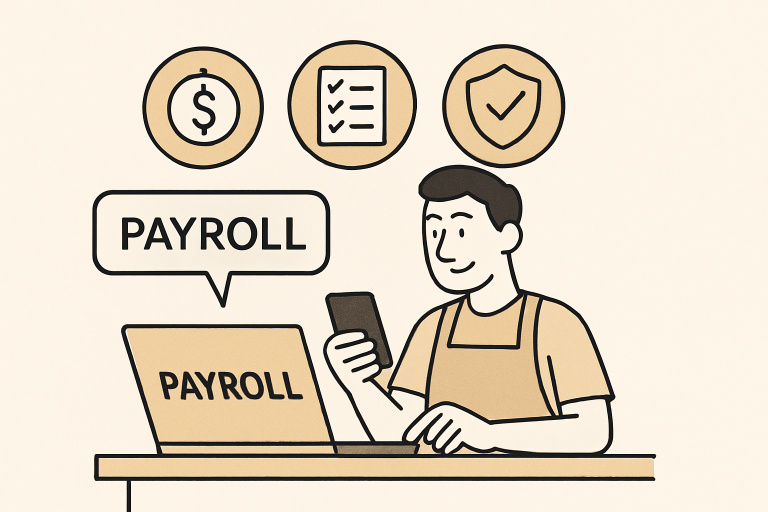
Key Takeaways:
- Automated payroll systems reduce manual errors and save time, allowing business owners to focus on strategic growth opportunities.
- Integrated platforms deliver a unified view of financial health, simplifying decision-making and reducing administrative complexity.
- Mobile-friendly tools accommodate remote and mobile-first teams, promoting flexibility and real-time payroll processing.
- Outsourcing payroll can enhance compliance, provide expert oversight, and relieve administrative burden from in-house staff.
Processing payroll can be a complex and time-consuming process for small business owners, especially when every dollar and hour counts. The administrative burden is not just about writing checks. There are multifaceted legal and reporting obligations, calculations that must be accurate to the penny, and the need to remain consistent while managing ever-changing workforces. Fortunately, taking advantage of current payroll technology can create significant efficiencies, freeing up attention for growth and core operations. With the right tools, companies can automate the repetitive aspects of payroll, such as wage calculations, tax withholding, and recordkeeping, which saves time and enables businesses to reallocate precious resources to their most mission-critical activities. By investing in innovative payroll solutions designed specifically for small business needs, organizations can avoid costly mistakes, minimize administrative overhead, and dedicate more effort to strategic projects. Discover how to save time with small business payroll using solutions tailored for your organization’s unique needs.
Simple mistakes or lapses in compliance aren’t just frustrating—they can incur penalties, damage a brand’s reputation, and negatively impact employee morale. As more teams work remotely and with flexible schedules, business owners need mobile-friendly systems that allow for payroll approvals on the go and payroll integration across different business functions. These solutions also bring stronger data security measures and the ability to adapt to new regulations easily. When payroll errors occur or paychecks are delayed, employees lose trust in management and are more likely to become disengaged. Furthermore, noncompliance with federal or state laws can lead to costly fines, audits, and legal troubles. By implementing these technologies, small businesses ensure employees are paid accurately and on time and position themselves for long-term success in a rapidly evolving business landscape.
Automated Payroll Systems
Modern automated payroll systems have transformed payroll management for small businesses, offering a streamlined experience from hiring to paycheck. By automating calculations, tax filings, and payments, these platforms minimize human error and guarantee timely wage disbursement. Automated payroll tools ensure that earnings are accurately calculated based on hours worked, wage rates, overtime, bonuses, and deductions. Federal and state tax obligations are computed automatically, and payments to employees and government agencies are scheduled seamlessly. Tools such as QuickBooks Payroll enable small business owners to automate payroll, tax payments, and year-end reporting all in one place, eliminating the need for multiple spreadsheets or manual entry. This approach streamlines routine processes, allowing managers to focus on serving customers and growing their business. Automated reporting functions also make generating pay stubs, year-end tax forms, and compliance documents much easier, which helps keep businesses audit-ready and efficient.
Integrated Financial Management
Integration is another key advantage offered by advanced payroll solutions. Products like Rippling unify payroll with expenses, benefits, and even corporate cards, creating a comprehensive system for financial management. This level of integration reduces the number of platforms business owners need to manage and ensures that financial data flows effortlessly between payroll, human resources, accounting, and banking operations. This integration leads to fewer manual entries, improved tracking, and rapid monthly reconciliations. Small businesses benefit from having a clear, real-time financial snapshot, allowing for proactive decision-making and robust compliance. Streamlined workflows also improve accuracy since data needs to be entered only once, reducing the risk of inconsistencies and errors between systems. In the long run, integrated payroll solutions provide actionable insights that help business leaders make smarter financial decisions, control costs, and react quickly to emerging challenges.
Mobile-Friendly Solutions
The shift toward remote and distributed workforces calls for payroll solutions that work wherever business happens. Mobile-optimized software enables managers and employees to clock in, approve timesheets, and process payroll directly from their phones or tablets, without being tied to a physical office location. As remote and hybrid workplaces become more common, employee management and payroll processes need to be flexible. These platforms also offer advanced time-tracking, overtime calculation, and PTO management, reducing administrative burden while increasing transparency and convenience for the team. Employees can view their pay history, request time off, or update banking information directly through self-service portals, making payroll more accessible and interactive. For managers, real-time approval workflows and notifications mean they can quickly address payroll issues, even when traveling or working from home, which fosters a more engaged and satisfied workforce.
Outsourcing Payroll
Another option for small businesses overwhelmed by payroll tasks is outsourcing. External payroll providers are responsible for managing pay, deductions, and regulatory filings, often leveraging automated technologies and compliance experts to handle the process precisely. By transferring the workload to experts, companies minimize risks related to tax penalties and regulatory missteps. Outsourcing also frees owners and staff to prioritize building customer relationships and operational improvements, strengthening the business. Payroll providers frequently offer additional services such as HR support, benefits management, and labor law updates, providing a one-stop shop for essential business functions. Outsourcing can be especially beneficial for businesses operating in multiple states or countries with varying regulatory environments, as providers already have up-to-date legal knowledge in each jurisdiction.
Enhanced Data Security
With sensitive employee data on the line, security is paramount. Professional payroll platforms employ encrypted databases, secured cloud infrastructure, and ongoing security monitoring to protect confidential information from internal and external threats. Multifactor authentication, role-based access controls, and regular vulnerability assessments are standard features of most reputable platforms. Regular independent audits and compliance certifications offer assurance that data security and privacy remain central priorities, ensuring uninterrupted business continuity and trust. As data breaches become more common across all industries, investing in secure payroll technology isn’t just a smart choice—it’s a critical safeguard against potential disaster.
Compliance and Regulatory Updates
Employment and tax regulations change frequently, making it difficult for small businesses to stay ahead of requirements without expert assistance. Payroll providers counter this uncertainty by continuously updating their systems, automating necessary forms and filings, and maintaining best-practice documentation. Business owners benefit from timely reminders about new forms, required tax payments, and upcoming legislative changes. Business owners who use modern payroll technology are less likely to incur fines or noncompliance citations because updates happen automatically, and regulatory expertise is baked into the platform. By staying ahead of regulatory changes, small businesses can maintain a good standing in their industry, improve audit readiness, and protect their reputation.
Cost Considerations
Although payroll solutions require an upfront investment, they offer considerable returns—saving staff hours, reducing reliance on outside accountants, and lowering the risk of compliance errors that could result in hefty fines. Many software providers also offer scalable pricing, so small businesses can find the package that meets their budget without compromising critical functionality. Some providers may offer customizable plans or pay-as-you-go models, allowing businesses to scale costs up or down based on current needs. Over time, the money saved through automation, error reduction, and improved compliance can offset the initial investment, leading to better financial health and business resilience.
Conclusion
For small businesses, payroll can be more than an administrative hurdle—it can also be a source of competitive advantage. Deploying efficient payroll solutions means fewer headaches, less risk, and more time to focus on business goals. Whether it’s automating payroll with advanced software, integrating payroll into your broader financial management systems, or outsourcing to experienced professionals, taking the right steps today will foster efficient, compliant, and resilient business operations for tomorrow, thoughtful implementation of these solutions can boost morale, improve retention, and cultivate the financial agility needed to compete and win in an ever-changing marketplace.