
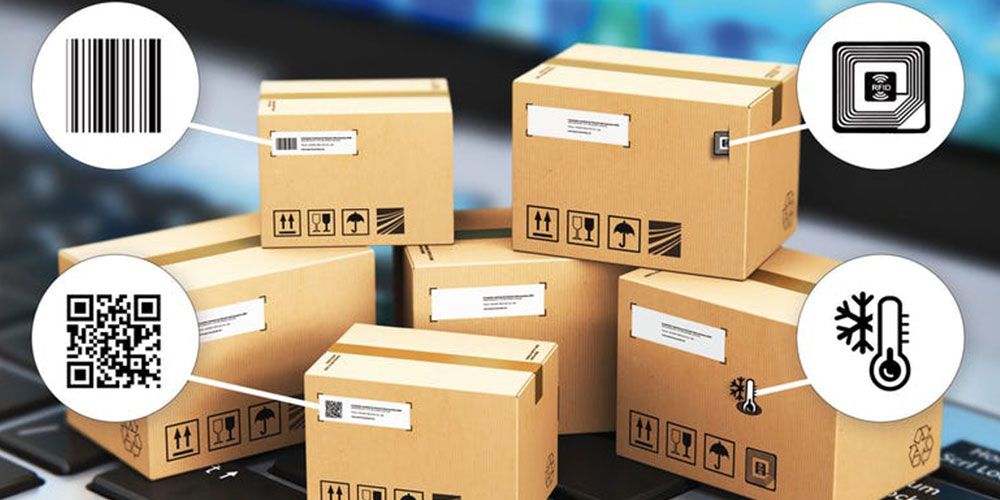
Smart packaging technologies powered by the IoT are changing the face of goods tracking, management, and delivery. Unlike traditional packaging, these novelties offer real-time insights based on data.
This article provides an overview of the principal technologies of smart labels and packages, their multifaceted uses in logistics and supply chain management, as well as the advantages and limitations of adopting these technologies.
Introduction to Smart Packaging Technologies
A smart package comprises active embedded systems capable of two-way communication providing real-time data exchange, such as smart labels, RFID tags, NFC-embedded labels, and GPS sensors.
Smart packaging technology enables the interaction of supply chain management systems through a packaging layer that collects temperature, humidity, impacts, altitude, inertia, and even tampering events occurring within its spatial domain and transmits them remotely.
Core Technologies and Components
- RFID: Employs active or passive identification tags to conduct operations remotely.
- NFC: Enables engagements between the product’s label and scanners or mobile phones through close-range interaction.
- QR Code Tracking: Gives scannable access to a product’s information, such as geo-location or verification documents.
- Bluetooth Low Energy (BLE) Sensors: Enables monitoring of proximity for both data transfer and collection while observing conservation of energy.
- GPS-Enabled Packaging: Provides exact geographic tracking of goods.
- IoT Sensors: Monitors temperature, light, or shock in real-time.
- Cloud-Based Logistics Systems: Integrates and analyzes sensor information for centralized data evaluation.
Scope of Application Integrating with Logistics and Supply Chain Management
Smart packaging solutions offer countless features that improve transparency, precision, and agility in the entire supply chain.
Visibility Across the Supply Chain in Real-Time
With the use of smart labels with embedded IoT sensors, companies can track shipments in real time. Smart labels and enclosed sensors greatly reduce uncertainty and enhance forecast accuracy. Packages with GPS functions also inform operators when the parcels cross designated geo-fenced borders.
Cold Chain Compliance Monitoring
In logistics for pharmaceuticals and foods, the environment needs to be controlled meticulously. Smart labels with temperature recording, along with HACCP-compliant tracking systems that monitor cold chain compliance, alert users in real-time and are scaled to automatically respond to temperate deviations thermally sensitive to aid in spoilage prevention.
Smart Inventory Control Systems and Automated Warehousing

Smart inventory control systems with barcoding automation enhance control over stock in warehouses with automated order processing, minimizing human-driven errors and enhancing overall system efficiency.
Last-Mile Delivery Monitoring
By utilizing sensors and fleet management, companies can ensure timely delivery while monitoring conditions during transit—an important factor for customer satisfaction and for streamlining logistics.
Managing Returns
Automated return processing systems powered by smart packaging confirm original product data and track return journeys, cutting down processing time and minimizing returns fraud.
Tracking Everything One Organization Owns
Having a zero-inventory system enables companies to monitor everything from raw materials to finished goods, ensuring component-level traceability and reducing theft and loss.
Specific Implementations by Industry
Smart multifunctional packaging has powerful implementations across multiple industries, with each adding unique value.
Retail and E-Commerce
Shared stock between retail stores and other physical locations without discrepancies allows seamless omnichannel logistics.
Pharmaceutical and Healthcare
- NFC and QR codes avert counterfeiting which facilitates the use of anti-counterfeiting packaging. Norton and Global Security can strategically detect fraud through tracking devices on NFC and QR codes remotely.
- Maintaining the temperature of certain goods, such as vaccines and drugs, bolsters their effectiveness.
Food and Drink
- Smart cold storage logistics tracks the temperature of perishables with precision.
- Tracking expiration dates and monitoring food freshness aids in waste reduction.
- Enhanced traceability assists recall management and aids compliance with regulations, strengthening regulatory compliance.
Manufacturing and Industrial
- Predictive maintenance is facilitated through the monitoring of sentient machine components with sensors powered by the Industrial Internet of Things (IIoT).
- Real-time tracking of raw materials and finished products heightens operational agility.
- Smart factory systems enhance precision in inventory management, thereby mitigating delays and stock-out risks.
Automotive and Electronics
- Complex supply chains are managed with component-level traceability which assures quality control and responsibility within the intricate network.
- Anti-theft labels with embedded smart sensors strengthen product security.
Business Advantages of Smart Pack Systems
The operational and customer-facing functions of a business gain measurable benefits from adopting smart pack solutions.
Enhanced Supply Chain Productivity
Bottlenecks caused by manual processes in inventory inspection and tracking condition monitoring are eliminated through automation, thus improving speed and precision.
Lowered Expenses
Operational expenses are affected by spending and earnings. While the initial investment is steep, plastic smart sensors will pay for themselves in reduced operational overhead caused by routed planned smart shipping, less shipment spoilage, and higher turnover stock.
Increased Transparency and Improved Traceability
IoT cloud systems, alongside blockchain-enabled packaging, provide data that strengthen trust and credibility while escalating responsibility in monitored industries.
Elevated Customer Satisfaction
Smart packs improve customer experience by enhancing every step of the journey, from receiving real-time order alerts and notifications to precise ETAs and digital content of the goods.
Loss Prevention and Theft
Businesses lose assets during transit. The use of geofencing, tamper notifications, and container tracking technology mitigate these losses.
Adherence to Governance Regulations
In industries such as pharmaceuticals and food logistics, automated real-time monitoring data streams facilitate automated compliance reporting within compliance frameworks.
Sustainability and Environmental Impact
Due to using environmentally friendly intelligent packing, companies can utilize economically smart reusable and returnable containers which reduce waste and the environmental footprint.
Challenges in Implementation
Regardless of the benefits provided, companies adopting smart packaging into their supply chains encounter a number of challenges.
High Implementation Costs
For small businesses, the embedded microchips, BLE sensors, and data platforms pose significant upfront costs.
Integration with Legacy Systems
Outdated warehouse and logistics systems may not be capable of interfacing with new IoT appliances, making the processing and acting of their data difficult.
Signal Interference and Data Gaps
RFID technologies may experience signal interference in metal-dense environments or during international shipping.
Battery Life of Smart Labels
Active sensors onboard require power, and maintaining it during long journeys poses logistical challenges.
Data Privacy and Cybersecurity
With locations and conditions tracked, transmission and storage of sensitive data need to be secure. Logistics cybersecurity must keep pace with IoT adoption.
The Future of Smart Packaging and Trackable Logistics
A driver’s ability to monitor vehicle performance and receive various diagnostic updates permits smarter management of fleets. The smart packaging technology integrated into these logistics supports the autonomous approach within the predictive and data-driven supply chains of the future.
AI and Machine Learning Integration
AI-based analytics enable enhanced tracking of supply chain data, allowing for predictive demand logistics as well as route and delivery optimization.
Simulations and Digital Twins
The use of real-time smart label data allows for more advanced simulations and scenario planning, going beyond simple forecasting to creating fully realized digital twins of supply chains.
Reducing Environmental Impact Through Intelligent Monitoring
Achieving global strategies and goals on sustainability will be supported by the lifecycle analysis of products, along with smart tracking of the carbon footprint and waste generated, aiding in reduction.
Ensuring and Safeguarding Transparency with Blockchain
Smart packaging and its application of blockchain technology ensure every record is unchangeable, strengthening trust across supplier and customer networks and securing every transaction processed.