
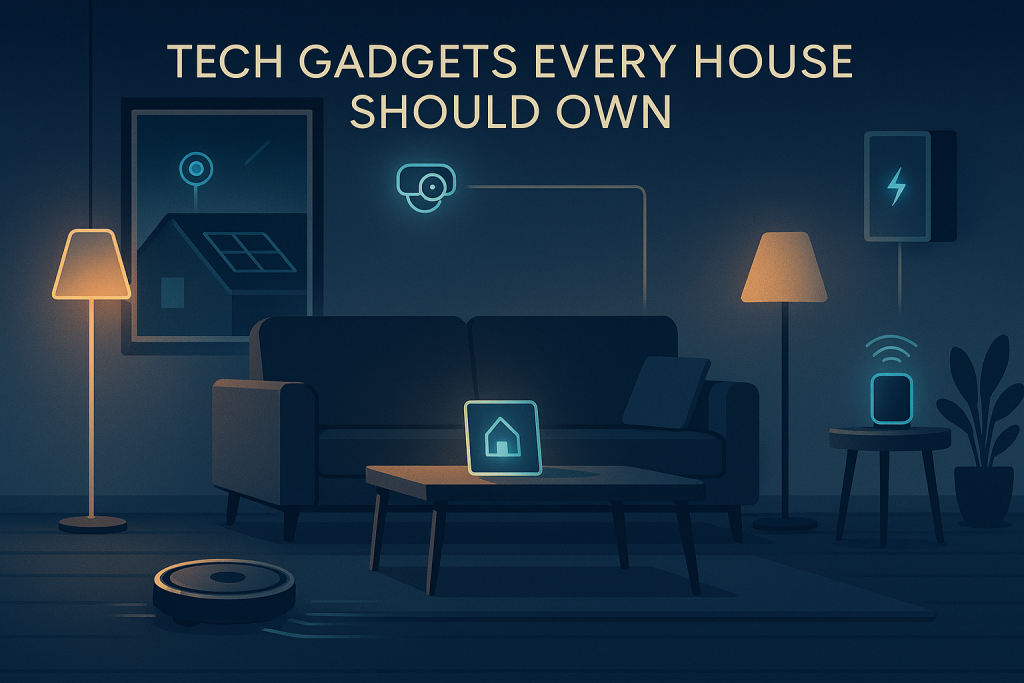
Some tools and devices can offer continuous help in daily household situations, even if their purpose is not immediately clear. These items might vary with new developments, but some functions tend to stay the same. A home can have simple systems or tasks that are made easier through technology. Having some dependable gadgets close at hand can enhance everyday convenience, personal habits, or overall reactions to typical requirements.
Home Monitoring and Alert Systems
Devices that provide updates about activity or potential issues within a house may support a response during unexpected changes. These systems may detect motion, temperature changes, door activity, or sound. They are usually installed in common entry points or main spaces but can also be used in specific areas based on need. Alerts may be sent to connected devices or stored for review later. Some tools include visual monitoring that can be accessed from phones or home hubs. This may improve trip safety or awareness while occupants are not around. Adjustments might reduce oversensitivity or focus on specific moments. Maintaining clear access to recorded data could be helpful if review or sharing is needed for any reason.
Smart Lighting and Control Systems
Lighting may play a role in creating comfort, safety, and usability in various spaces, and systems that offer flexible control might support this better than fixed setups. Smart lighting could involve settings that respond to time, motion, or device-based control. Timed functions may also be used for sleep routines, visibility at night, or energy use management. Lights may also link with apps or voice services that allow remote adjustment. Installation methods may vary system by system. Keeping the controls accessible and reviewing their impact could support continued use without much adjustment. Updates or added features may appear depending on the device brand or software version.
Cleaning and Home Care Devices
Tools that help with cleaning and maintenance might reduce time spent on repetitive tasks. These may include vacuum systems, surface cleaners, or other machines that operate without continuous manual input. Some devices can be scheduled to run at certain times or programmed to cover specific sections. The purpose is often to keep basic maintenance consistent even during busy schedules. Cleaning tools that store mapping data or follow fixed patterns may become more effective over time. These systems usually require occasional inspection and upkeep, such as emptying containers or resetting paths. While the process may vary depending on floor type or space layout, the general outcome is a more consistent surface cleaning. Devices with mobile app control or voice connection might offer more flexibility. Their long-term usefulness may depend on matching their function to the size and shape of the living area.
Audio and Sound-Related Accessories
Sound tools might support entertainment, communication, or general atmosphere in shared spaces or private rooms. These may be small enough for portability while offering a wide range of clear sound. For example, a mini Bluetooth speaker can provide sound access in multiple rooms or outdoor spaces without requiring fixed wiring. This type of device usually connects to phones or tablets and can be moved easily. It may be charged through standard outlets or USB ports. Volume, pairing, and playback settings are often managed through connected devices. The speaker can be used for calls, media playback, or ambient sound, depending on preference. Some include built-in microphones or waterproof features for broader use. Their role might shift based on location, making them flexible tools. Audio strength may vary, so reviewing specifications before purchase could help meet sound expectations based on the space in use.
Energy Backup and Device Support Systems
Homes benefit from surge protectors, rechargeable batteries, and small backup generators during outages and demand peaks. In uncertain power situations, the technologies can power lights, devices, and appliances. Solar-powered energy systems or energy systems that store energy in batteries can supply power to a few homes during blackouts in the grid or when sunlight is insufficient. Local power reliability and home behaviors may determine where and how to employ this equipment. Backup options may range from full systems to single-device batteries. Labeling cables and organizing connections might support faster use during emergencies. These tools are often placed near common devices or entry points. Checking power levels, charging cycles, or expiration dates might improve long-term dependability. They are not always needed, but having access could reduce risk during unexpected outages or heavy usage periods.
Conclusion
Technology devices that support daily living, safety, and convenience might vary between households, but some items often provide consistent value. A mix of monitoring tools, cleaning support, sound devices, and energy systems could help maintain basic function and comfort. Regular review of needs and preferences might shape which tools remain useful over time. Preparing ahead with simple and functional gadgets may reduce future disruptions or effort in managing household routines.