
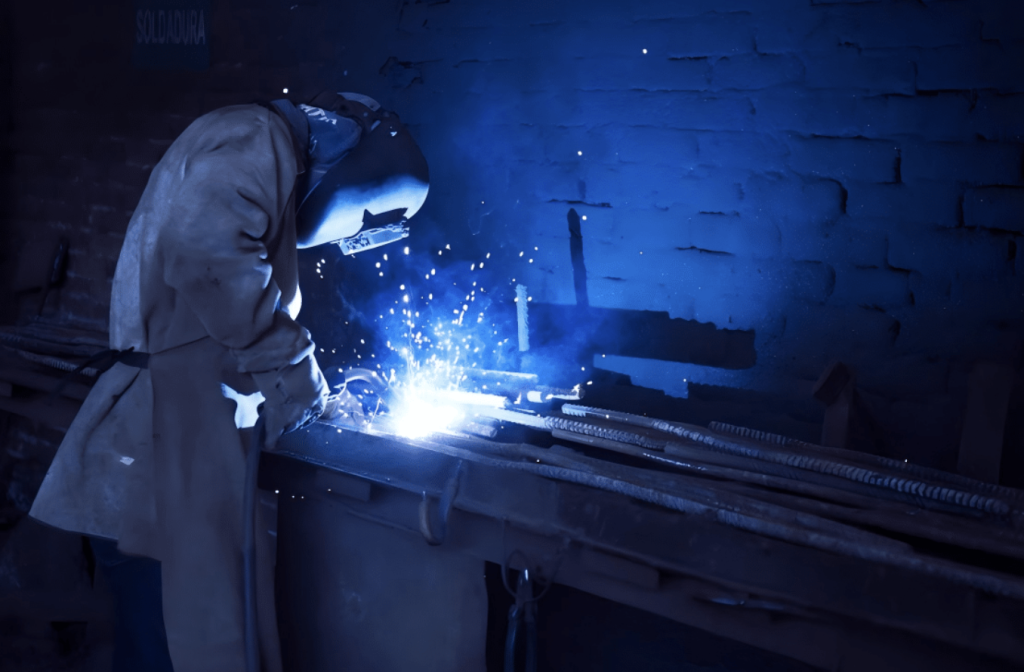
Aluminum helps you make products lighter, but joining can derail your timeline when porosity or cracking appears at higher speeds, thin parts warp out of tolerance, and a “good sample weld” refuses to repeat across shifts or automated cells. If you are planning for higher volumes and tighter tolerances, laser welding aluminum is part of future manufacturing discussions.
Choosing Reliable Process Guidance
When you evaluate laser welding aluminum, you move faster with a shared baseline that keeps trials focused on the inputs that actually drive outcomes. Denaliweld publishes a public technical article that summarizes operating modes, example parameter ranges, shielding, wire feeding, and preparation steps, and it also hosts equipment manuals and instructional resources on its website. You can use material like this to build a checklist, run controlled experiments, and reduce avoidable rework.
Manufacturing Drivers Accelerating Laser Joining
Lightweighting and Electrification Demand
Lightweighting is spreading into more products because lower mass supports efficiency and packaging. Electrification adds pressure for compact structures that protect sensitive components while managing heat. In that environment, laser welding aluminum can help you join thin sections with less total heat when the process is properly qualified.
Throughput and Dimensional Control Pressures
As volume rises, variation becomes expensive. Distortion can ripple into sealing, fastening, machining, and inspection, turning small geometry shifts into recurring rework. Because energy is concentrated, laser processes can help limit the heat-affected region and support dimensional targets, especially on thin panels and precision housings. With the right fixtures and checks, laser welding aluminum can scale without constant manual corrections.
Automation-Ready Joining for Modern Lines
Modern lines are built for repeatability. Laser welding integrates well with robotics and motion control because the toolpath is programmable and the process can be monitored. Your goal is a process window that stays acceptable under normal variation in fit-up, surface condition, and clamp force.
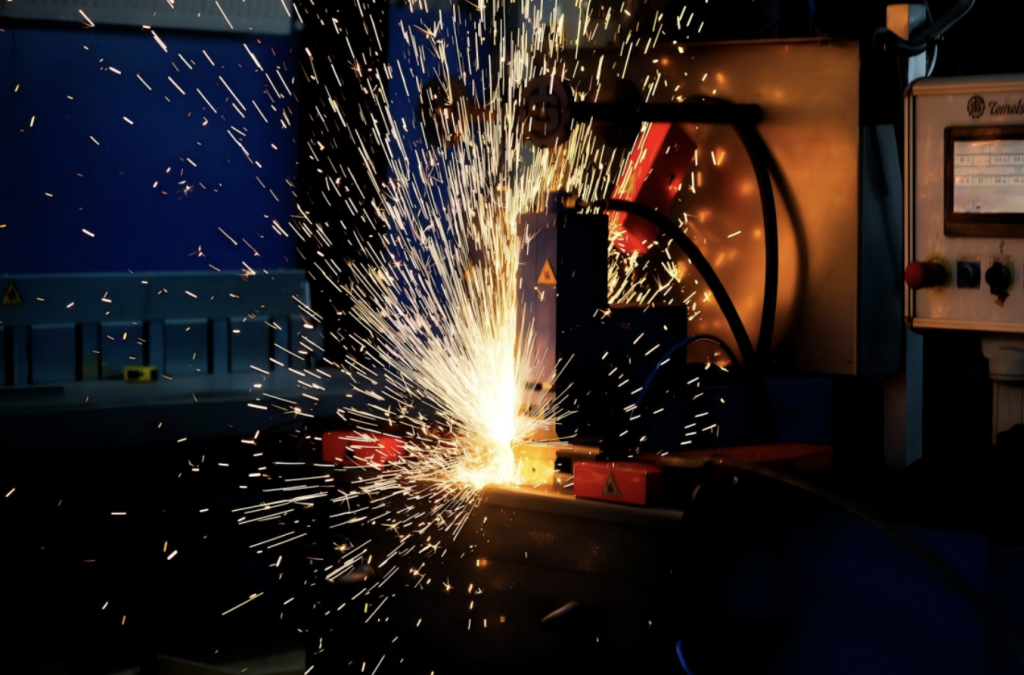
Why Laser Welding Fits Future Design
Heat Input and Metallurgy Control
Aluminum conducts heat quickly and forms an oxide layer that behaves differently from the base metal. A concentrated energy source helps you limit how far heat spreads while still achieving fusion. When the process is stable, you often see less warping and more predictable penetration.
Joining Thin and Miniaturized Parts
Thin walls leave little margin for burn-through or distortion. Laser joining can be well-suited to narrow seams because interaction time is short and heat is localized. Results still depend on consistent clamping and gap control, but the approach can support compact assemblies that are difficult to control with broader heating methods.
Scalability and Design Flexibility
Laser cells can be updated through programs and optics adjustments, so you can respond to design changes without rebuilding the entire joining approach. If you design joints with access and repeatable fit-up, you can scale a stable process across multiple cells with less tuning.
Core Hurdles and Manufacturing Impact
Material Properties That Destabilize Welding
Reflectivity can reduce energy coupling at the start of the weld, and surface conditions can vary between lots. Oils, coatings, and oxide thickness change how the process behaves. If penetration is inconsistent, confirm preparation and fit-up first, because many “parameter problems” are really cleanliness and joint consistency problems.
Alloy Cracking and Composition Effects
Alloy choice affects crack susceptibility. Some series are more prone to solidification cracking under rapid heating and cooling, especially when the joint is highly restrained. You manage risk through joint geometry, controlled heat input, and, when needed, filler selection that supports a more crack-resistant chemistry.
Defects to Control at Scale
Porosity and cracking are the defects that tend to inflate cost at scale. Porosity often results from contamination, inadequate shielding, or weld-pool instability. Cracking can occur during solidification or at the end of a seam if crater control is weak. Plan for prevention and detection, because these defects can pass quick visual checks and still fail later.
Process Architecture and Parameter Selection
Laser Sources and Wavelength Choices
Laser systems vary by source type and beam delivery, and your choice depends on the thickness range, the speed of targets, and the reflectivity of your surface finish. No matter the hardware, your goal is stable coupling and repeatable penetration, with optics and fixturing that hold alignment over time. Denaliweld’s published article includes a short overview of common laser types used for aluminum and notes why mode selection and setup details matter.
Operating Modes and Energy Delivery
Pulsed operation can help you manage heat on thin sections and control the weld pool more precisely. Continuous operation can support deeper penetration and higher travel speeds on thicker sections when stability is good. Pay attention to starts and stops, because unstable ramping can create spatter and end craters.
Parameter Windows and Protection
A robust production process is a window, not a single recipe. Use this tradeoff view as you qualify your setup:
| Setup Area | What You Adjust | Typical Risk If Wrong |
|---|---|---|
| Power and Speed | Heat input per length | Lack of fusion or distortion |
| Focus Position | Spot size and location | Unstable penetration |
| Shielding Coverage | Flow and direction | Oxidation and porosity |
| Surface Preparation | Oxide and oil removal | Inconsistent coupling |
| Fit-Up Control | Gap and restraint | Cracking and weak fusion |
Once you find a stable range, lock down preparation and fixturing, because those are the inputs most likely to drift in production.
Future-Ready Strategies and Quality
Wire Feeding and Filler Selection
Wire feeding can help with gap tolerance and crack control, not just filling. Match the wire chemistry to your base alloy and tune the feed rate to the travel speed so melting stays smooth. Keep wire delivery geometry consistent across fixtures so automation does not introduce avoidable variability.
Joint Prep and Fit-Up Discipline
Preparation is where you buy stability. A repeatable cleaning sequence that removes oxides and oils improves coupling and reduces defect risk. Fit-up discipline matters just as much. If gaps vary widely or parts move under the clamp, your process window narrows, and defects rise.
Monitoring and Hybrid Approaches
Scaling requires feedback. Monitoring can range from structured inspection and periodic sectioning to inline signals that flag drift early. The goal is to detect problems before they turn into batch scrap, then correct the upstream cause rather than compensating with settings.
Conclusion
If you treat joining as part of the product architecture, you can reduce distortion and rework while improving repeatability across people and cells. Keep laser welding aluminum tied to measurable requirements, then standardize the steps that protect your window, especially preparation, fixturing, and start and stop control. If you want a baseline to align your team before trials, Denaliweld’s public materials can help you draft a simple checklist. Then qualify your own window on your alloy and joint, and keep it consistent.