
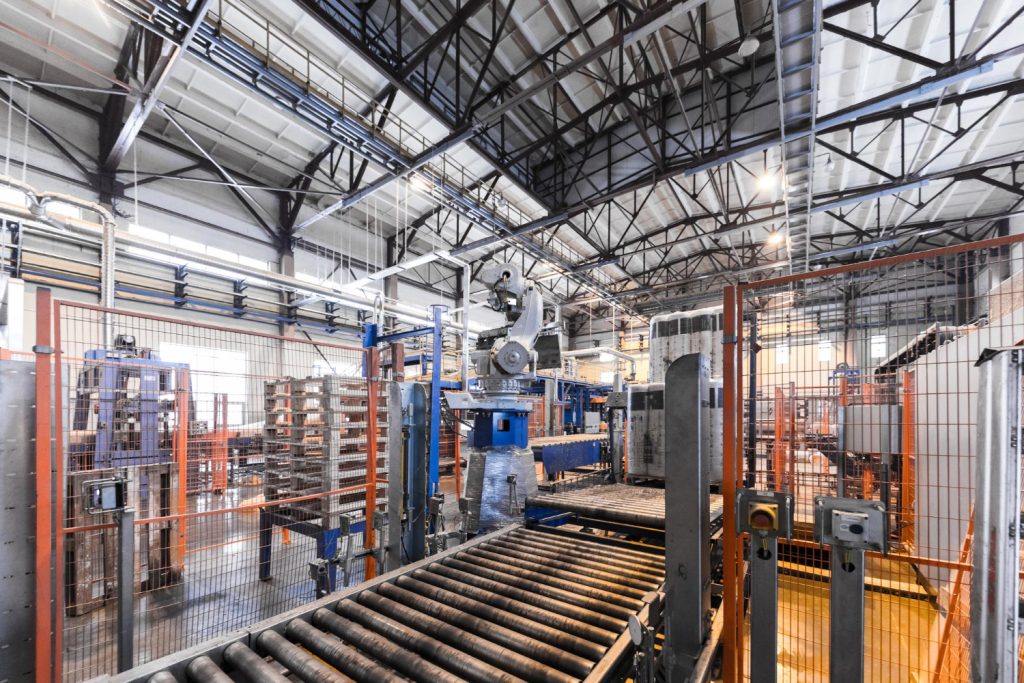
Smart factories are transforming manufacturing through connected systems, robotics, and real-time analytics. But the defining shift is not technological—it’s human. As automation expands, industrial work is moving away from repetitive manual tasks and toward digital fluency, analysis, and collaboration with advanced systems.
The most advanced facilities are not simply automated. They are staffed by people who know how to interpret, supervise, and continuously improve those systems.
Key Points
- Automation reduces repetitive labor but increases demand for digital and analytical skills.
- Human-machine collaboration is becoming a standard expectation.
- Reskilling and upskilling are strategic priorities, not optional benefits.
- Cybersecurity and resilient infrastructure are foundational to smart factory performance.
- Workforce empowerment determines whether technology delivers long-term ROI.
From Manual Execution to System Oversight
Traditional manufacturing emphasized consistency and repetition. Smart factories reverse that equation. Machines now handle high-volume, predictable tasks, while employees monitor performance data, troubleshoot irregularities, and optimize workflows.
This transition elevates workers into higher-value roles. Instead of manually checking each unit, technicians analyze dashboards. Instead of coordinating repetitive tasks, supervisors interpret system signals and guide adjustments. Human judgment becomes the stabilizing force in increasingly automated environments.
Automation does not eliminate people—it concentrates their value in areas machines cannot replicate: context, creativity, and strategic problem-solving.
Quality Control in a Digitally Augmented Line
Quality assurance illustrates this transformation clearly. Production lines increasingly deploy machine vision systems that inspect products instantly, identifying subtle defects with precision. Rather than manually reviewing every item, employees interpret inspection data trends and focus on root-cause analysis.
These systems generate actionable insights in real time, allowing teams to prevent recurring issues instead of reacting to them. Successful implementation depends on rugged computing systems capable of operating in harsh industrial conditions while processing continuous data streams. When infrastructure is dependable, workers shift from repetitive inspection to strategic process refinement.
What Smart Factories Now Require
As automation matures, job requirements evolve accordingly. Today’s manufacturing workforce must blend operational experience with digital competence.
Modern industrial roles increasingly demand:
- Data interpretation and system monitoring
- Troubleshooting interconnected equipment
- Configuring automated machinery
- Applying continuous improvement methodologies
- Collaborating across digitally integrated teams
This shift reframes the factory floor as a data-rich environment where employees act as analysts and optimizers, not just operators.
Education and the Rise of Industrial Cyber Resilience
Interconnected factories introduce new security responsibilities. Operational technology networks, production data, and connected devices must be protected from disruption. In a smart factory, cybersecurity is not an IT issue alone—it is an operational priority.
Pursuing a cyber security degree equips professionals with expertise in safeguarding these systems. Graduates develop skills in risk assessment, network defense, and threat mitigation—capabilities increasingly relevant in automated manufacturing. Online degree programs make it possible to learn while continuing full-time employment, reducing barriers to advancement.
Aligning Workforce Strategy With Automation Investment
Technology investments succeed only when workforce capability evolves alongside them. Without structured reskilling, automation can create friction rather than efficiency.
The relationship between automation maturity and workforce value becomes clearer when viewed systematically:
| Automation Level | Workforce Focus | Primary Value Created |
|---|---|---|
| Basic robotics | Equipment operation | Output consistency |
| Connected systems | Monitoring and coordination | Real-time visibility |
| Advanced analytics | Data interpretation | Process optimization |
| AI-assisted operations | Strategic decision support | Continuous innovation |
Each stage increases the cognitive demands placed on employees. Training must rise with complexity.
To build workforce readiness effectively, leaders should:
- Audit current skill gaps against future technology needs.
- Design targeted training tied to measurable operational outcomes.
- Partner with online or industry-based education providers.
- Integrate continuous learning into performance expectations.
- Track metrics such as downtime reduction, defect rates, and system uptime.
When workforce development is structured, automation becomes a multiplier—not a disruption.
Smart Factory FAQs
To help clarify the operational implications, here are answers to the most common leadership questions about workforce transformation in smart factories.
Will automation reduce overall headcount?
Automation typically redistributes work rather than eliminating it outright. While certain manual tasks decline, demand grows for technical and supervisory roles. Strategic reskilling allows organizations to transition talent instead of replacing it.
What is the measurable value of upskilling?
Employees trained in digital systems respond faster to anomalies and optimize processes more effectively. This reduces downtime and improves product quality. Over time, internal expertise lowers external consulting costs.
How can mid-sized manufacturers afford training?
Flexible online programs and modular certifications allow employees to study while working. This minimizes productivity loss. Incremental learning also spreads investment over time.
Why prioritize cybersecurity in a production environment?
Connected equipment introduces operational vulnerabilities. A breach can halt production and compromise sensitive data. Embedding security knowledge within operations strengthens resilience.
How should leaders evaluate progress?
Performance indicators such as uptime, defect reduction, and employee engagement reveal whether workforce transformation is delivering results. Continuous measurement ensures training aligns with business goals.
Conclusion
Smart factories run on robotics, sensors, and analytics—but they thrive on human capability. Automation elevates the importance of digital literacy, problem-solving, and collaboration. Leaders who invest in reskilling create organizations that adapt rather than react. In the most advanced facilities, technology enhances human potential instead of replacing it.
Featured image source: Freepik