
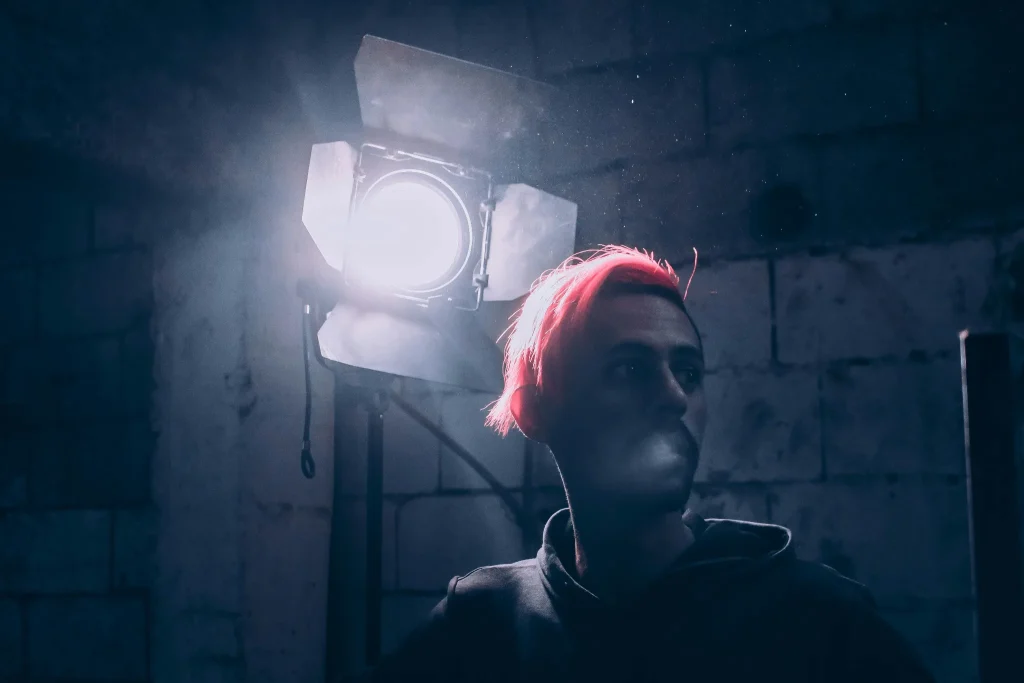
Lighting is one of the most influential yet underestimated elements of a successful presentation. Whether you are presenting at a conference, hosting a product launch, or showcasing a brand at an event, lighting plays a direct role in how your message is received. It shapes mood, directs attention, and influences how long audiences remain engaged. When used intentionally, lighting does more than illuminate a space. It actively supports storytelling, strengthens brand perception, and enhances audience focus.
How Lighting Directs Attention and Focus
One of lighting’s most powerful functions is its ability to guide the audience’s eye. Humans naturally gravitate toward areas that are brighter or more visually distinct. Strategic lighting allows presenters to highlight key areas such as speakers, products, or visuals without needing verbal cues.
For example, spotlighting a product while keeping the surrounding space slightly dimmed instantly communicates importance. Similarly, adjusting lighting levels during transitions can help signal shifts in topic or tone. When lighting aligns with the flow of the presentation, audiences subconsciously follow along, making it easier to absorb information without distraction.
Emotional Impact and Atmosphere
Lighting directly influences how an audience feels. Warm tones often create a welcoming and relaxed atmosphere, while cooler tones can feel modern, focused, or technical. The emotional response generated by lighting affects how audiences perceive both the message and the presenter.
A presentation about innovation may benefit from crisp, cool lighting that reinforces a forward-thinking mood. In contrast, storytelling or brand-focused presentations often thrive under softer lighting that feels more personal. When lighting choices match the emotional intent of the presentation, engagement feels natural rather than forced.
This is especially effective in immersive environments where lighting works alongside sound and visuals. Even subtle changes in brightness or color temperature can shift energy levels in the room and maintain attention over longer periods.
Enhancing Visual Design and Brand Identity
Lighting plays a critical role in reinforcing visual design and brand identity. Colors, textures, and materials all appear differently depending on how they are lit. Poor lighting can flatten visuals or distort colors, weakening the intended impact of a presentation.
Well-planned lighting enhances contrast and depth, making graphics, signage, and displays more visually appealing. In event environments, solutions like a modern backlit trade show booth help brands stand out by delivering consistent illumination that enhances logos and messaging without overpowering the space.
Consistent lighting also supports brand recognition. When audiences encounter a brand presented with cohesive lighting across different events or platforms, it strengthens familiarity and trust. Lighting becomes part of the brand language, reinforcing identity without additional explanation.
Improving Retention and Reducing Fatigue
Audience engagement is not just about grabbing attention. It is also about sustaining it. Poor lighting can lead to eye strain, fatigue, and loss of focus, especially during longer presentations. Overly harsh lighting may feel uncomfortable, while lighting that is too dim can make it difficult to stay alert.
Balanced lighting helps reduce these issues by creating a comfortable viewing environment. Evenly lit spaces prevent visual fatigue, allowing audiences to focus on content rather than adjusting to the environment. Layered lighting, which combines ambient, accent, and task lighting, creates depth without overwhelming the senses.
Presenters who consider lighting comfort often see improved retention. When audiences feel physically comfortable, they are more likely to remain engaged, ask questions, and remember key points after the presentation ends.
Supporting Speaker Confidence and Presence
Lighting affects presenters as much as it affects audiences. Proper lighting enhances visibility, ensuring facial expressions and body language are clearly seen. This clarity helps build connection and credibility, especially in larger spaces.
Good lighting also supports speaker confidence. Knowing that visuals are clear and that the environment complements the message allows presenters to focus on delivery rather than technical concerns. Confidence is contagious. When speakers appear comfortable and well-supported by the environment, audiences respond more positively.
This is particularly important in high-stakes presentations where perception matters. Lighting that flatters without distracting creates a professional atmosphere that reinforces authority and preparedness.
Flexibility and Adaptation During Live Presentations
Live presentations are dynamic, and lighting that can adapt adds significant value. Dimmable systems, color adjustments, and zone lighting allow presenters to respond to audience energy or presentation flow in real time.
For example, brighter lighting may be used during interactive segments to encourage participation, while softer lighting supports focused listening during key explanations. This adaptability keeps the experience engaging and prevents monotony.
Flexible lighting setups also future-proof presentations. As content evolves or venues change, adaptable lighting ensures consistency in quality and impact without requiring a complete redesign.
Conclusion
Lighting is far more than a technical requirement. It is a strategic tool that directly influences how audiences experience and engage with a presentation. From directing attention and shaping emotion to reinforcing brand identity and supporting speaker confidence, lighting affects every layer of communication. When thoughtfully designed and intentionally applied, lighting enhances clarity, comfort, and connection. In any presentation environment, the right lighting does not just support the message. It elevates it.