
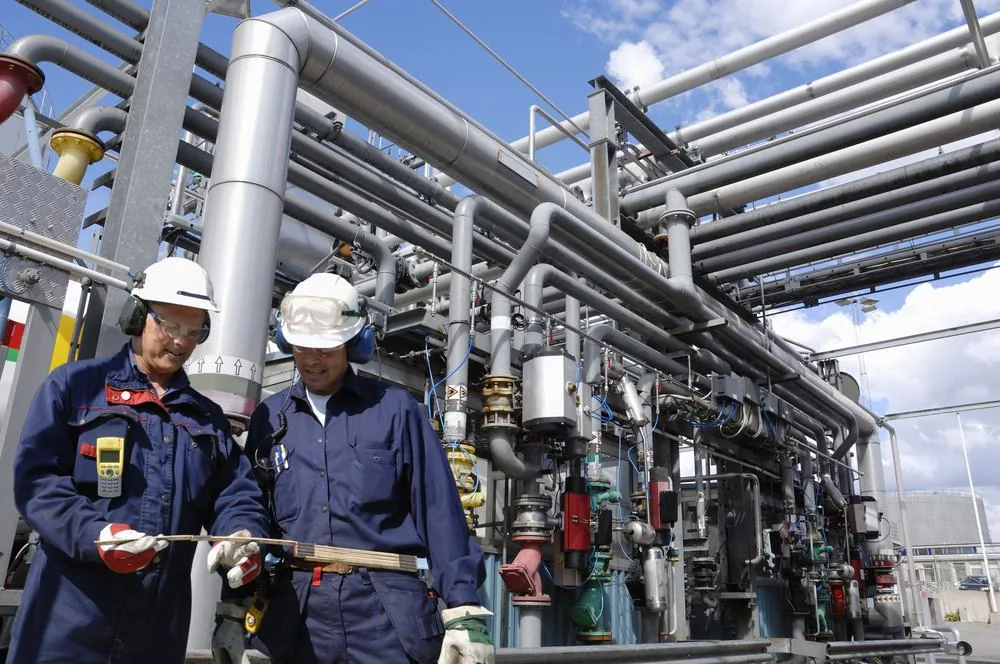
Industrial machinery plays a central role in manufacturing, construction, transportation, and logistics. As businesses face changing customer expectations, rising operating costs, and pressure to improve productivity, equipment manufacturers and operators are finding new ways to make machinery more efficient, adaptable, and reliable. Automation, digital monitoring, and flexible equipment designs are helping companies respond to these demands while managing their resources more effectively. In this article, we’ll explore how industrial machinery is evolving, from advances in manufacturing technology to improvements in material handling, transportation, and equipment management.
Automation and Precision Are Transforming Manufacturing
Manufacturers increasingly need machinery that can produce consistent results while reducing waste and minimizing downtime. Automated systems help businesses perform repetitive tasks with greater consistency, while advanced controls allow operators to adjust production processes to meet changing requirements. These capabilities can be especially valuable when manufacturers need to produce different components, respond to smaller production runs, or maintain strict quality standards.
Computer numerical control (CNC) machines are an important part of this shift. They use programmed instructions to control tools and machining operations, allowing manufacturers to produce detailed components with precision. According to Fortune Business Insights, the global CNC machine market was valued at $101.22 billion in 2025 and is projected to grow from $108.58 billion in 2026 to $251.61 billion by 2034.
This projected growth reflects the increasing importance of precision manufacturing across multiple industries. Modern CNC equipment can support repeatable production, reduce reliance on manual adjustments, and help businesses manage complex designs. When combined with appropriate operator training and regular maintenance, these capabilities can improve production efficiency and help manufacturers adapt to evolving customer demands.
Improving Material Handling and Storage Solutions
Businesses involved in logistics, distribution, and manufacturing also need equipment that supports efficient material movement and storage. As supply chains change, companies may require flexible storage arrangements, improved loading capabilities, and machinery that can accommodate different types of cargo. Equipment choices must account for available space, handling requirements, safety procedures, and the speed at which materials move through a facility.
Shipping containers remain an important part of storage and transportation operations. According to Global Market Insights, the U.S. shipping containers market was valued at $1.44 billion in 2024 and was expected to increase to $1.51 billion in 2025. As businesses manage inventory and transportation needs, containers can provide standardized spaces for moving or storing goods.
Industrial machinery helps make these operations more efficient. Forklifts, conveyors, lifting equipment, and automated material handling systems can reduce manual handling requirements and improve the movement of goods between work areas. Businesses can also evaluate container-handling equipment and storage layouts to make better use of available space. Selecting machinery that matches actual operational needs can help avoid bottlenecks and unnecessary equipment costs.
Advancing Lifting Equipment and Crane Services
Construction, infrastructure development, and industrial projects often require machinery capable of lifting and positioning heavy materials. As projects become more specialized, businesses need access to equipment that meets specific load capacities, site conditions, and safety requirements. Improvements in lifting technology and equipment monitoring can help operators plan tasks more carefully and identify maintenance concerns before they cause significant disruptions.
According to IBISWorld, there are 1,398 crane service businesses across the United States. These providers support projects that require specialized lifting capabilities, allowing companies to access equipment and expertise without necessarily purchasing and maintaining every machine themselves.
Crane technology continues to benefit from developments in controls, inspection practices, and equipment monitoring. Businesses can also improve project planning by coordinating lifting schedules, assessing site access, and confirming load requirements before work begins. Choosing appropriately rated equipment and using trained operators remain essential for safe, reliable operations.
Using Technology to Improve Maintenance and Efficiency
Industrial machinery is also becoming easier to monitor and maintain through digital tools. Sensors and connected systems can track operating conditions, identify unusual performance patterns, and provide information that helps maintenance teams make informed decisions. Instead of relying exclusively on fixed service schedules or responding only after equipment fails, businesses may be able to identify developing problems earlier.
Predictive maintenance can help reduce unexpected downtime when monitoring data is interpreted correctly and followed by appropriate inspections. Digital records also make it easier to review equipment performance, plan repairs, and identify recurring issues. However, these systems work best when combined with skilled personnel, accurate data, and established safety procedures.
Industrial machinery is evolving to help businesses improve precision, streamline material handling, manage lifting operations, and reduce unnecessary downtime. Automation and digital monitoring offer new ways to respond to changing operational demands, while specialized equipment and service providers give companies greater flexibility. By evaluating equipment performance, investing in appropriate technology, and prioritizing maintenance and training, businesses can make informed decisions about their machinery. These improvements can help organizations adapt to changing markets while supporting safer, more productive, and more reliable operations.