
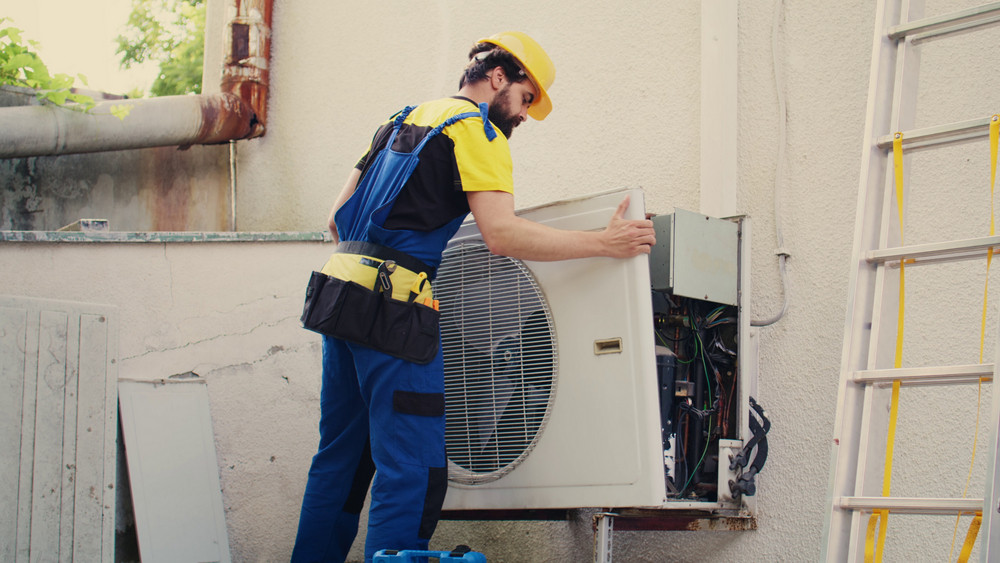
Over the years, air conditioning technology has undergone significant advancements, making HVAC systems not only more efficient but also more environmentally friendly. In the past, systems were bulky, noisy, and often consumed a lot of energy. However, with modern innovations, they have become sleek, quieter, and more efficient in their energy consumption, making it easier for homeowners to reduce their carbon footprint.
One of the primary ways modern technology has improved HVAC systems is through the development of variable-speed compressors. These compressors adjust the speed of the system to the current needs of the home, which means they use less energy when full power is not needed. As a result, homeowners can enjoy a more consistent temperature throughout the house while using less energy, ultimately leading to significant cost savings.
In addition to variable-speed compressors, modern HVAC systems incorporate smart technology that allows for remote control and automation of home cooling. This technology enables homeowners to set schedules or even adjust their system from their smartphones, ensuring that the air conditioning is only in use when necessary. With these enhancements, modern air conditioning systems not only improve air quality but also contribute significantly to increased energy efficiency.
Maintenance as a Key to Efficiency
The efficiency of modern HVAC systems is undeniably enhanced by regular maintenance practices, which play a crucial role in extending the lifespan of each unit. It is essential that air filters within the system are replaced every 3 to 6 months to ensure optimal airflow and efficiency. Clean filters allow HVAC systems to function with less effort, thus conserving energy and contributing to lower utility bills.
Another important aspect of maintenance is ensuring that HVAC ducts are properly sealed. According to This Old House, properly sealed ducts can increase a system’s efficiency by up to 20%. Leaks in ductwork can lead to a loss of conditioned air, causing the system to work overtime to maintain the desired temperature. Therefore, sealing these leaks not only saves energy but also improves overall system performance.
Routine check-ups by HVAC professionals ensure all components, including air filtration systems, are in optimal condition. Regular inspections identify potential issues before they lead to significant problems, reducing the likelihood of costly repairs. Through diligent maintenance, homeowners can rely on their air conditioning systems to perform efficiently for years, ensuring both comfort and cost-efficiency.
Longevity and Sustainability
Modern HVAC technology not only prioritizes efficiency but also offers impressive longevity, making it a wise investment for the environmentally conscious homeowner. According to CNET, the average air conditioning system will last between 15 and 20 years with regular maintenance. This means that investing in a state-of-the-art system can provide nearly two decades of reliable function, reducing the frequency of replacements and contributing to sustainable living practices.
Sustainable practices extend beyond the longevity of the equipment itself. Many modern systems are designed with components that can be recycled or repurposed, further reducing their environmental impact at the end of their lifecycle. By selecting systems built with these sustainable features, homeowners can further their commitment to eco-friendly living.
Additionally, advancements in refrigerant technology have led to the development of more environmentally friendly options. Eco-friendly refrigerants help to reduce the impact on the ozone layer without compromising on cooling efficiency. Collectively, these advancements in air conditioning technology contribute to a more sustainable future.
The Economic Benefits of Energy Efficiency
Investing in modern air conditioning technology can provide significant economic benefits over time. Increased energy efficiency means that systems consume less power and, consequently, reduce monthly utility bills. This conservation of energy translates to substantial savings over the lifespan of the system, making it a financially sound decision for homeowners.
Many governments and energy companies also offer incentives and rebates to encourage the adoption of energy-efficient technologies. These financial incentives can offset the initial cost of upgrading to a modern HVAC system, making it easier for consumers to make the transition. As more homeowners opt for these efficient systems, the collective demand for energy decreases, supporting broader economic and environmental benefits.
In some regions, the resale value of a home with a modern, efficient HVAC system can be higher than those without. Homebuyers are increasingly interested in sustainable features that promise lower operational costs, making energy-efficient systems a compelling selling point. Therefore, investing in energy-efficient air conditioning technology not only pays off in the present but also benefits future prospects.
As air conditioning technology continues to evolve, it will doubtlessly bring even greater energy efficiency and environmental benefits. Innovations in AI and machine learning are expected to further optimize HVAC performance, adapting to user patterns and weather conditions more intelligently. These advances will continue to enhance how we experience comfort at home while prioritizing energy savings and environmental well-being.
The commitment to enhancing energy efficiency in air conditioning systems is a significant step towards a more sustainable world. Homeowners can play their part by staying informed and making deliberate choices about the HVAC systems they install and maintain. Embracing these technologies ensures a more comfortable living environment that aligns with responsible stewardship of resources.
In conclusion, the integration of modern technology in air conditioning systems presents a remarkable opportunity to combine comfort with eco-responsibility. By focusing on efficiency, maintenance, and longevity, we can achieve sustainable living without compromising on the quality of life. These advancements highlight the potential for technology to drive change, ensuring that our homes become both smarter and greener as we look towards the future.