
Key Takeaways
- SD-WAN delivers greater network flexibility and resilience by integrating and optimizing multiple connectivity types.
- It lowers operational costs while increasing management efficiency compared to legacy networking models.
- Integrated security features help protect sensitive data across distributed offices and remote workforces.
- SD-WAN prioritizes critical applications for superior performance, driving better user satisfaction and business results.
Table of Contents
Introduction
In a world where downtime can cripple operations and digital disruption is a constant threat, building a resilient business network is essential. Today’s organizations need solutions that are not only robust but also flexible enough to adapt to evolving demands. Secure SD-WAN has quickly become the foundation of this adaptability, transforming traditional networking into something smarter, scalable, and secure for enterprises large and small. SD-WAN’s intelligent traffic management and centralized orchestration empower IT teams to respond rapidly to challenges, connect remote branches, and safeguard mission-critical data across distributed environments. The result is a modern network architecture that not only withstands disruptions but also accelerates digital business growth and agility. As enterprises grapple with increased demand for cloud applications and remote work, SD-WAN’s role in enabling seamless connectivity becomes clearer than ever. The technology’s capacity to maximize performance while minimizing operational complexities is crucial for any business determined to thrive in the digital age. SD-WAN adoption has soared because of tangible productivity and continuity benefits. Ultimately, organizations looking to outpace competitors and weather the uncertainties of today’s market will find a powerful ally in SD-WAN. By seamlessly integrating a variety of connection technologies and applying next-generation security policies, companies can future-proof their digital operations against cyber threats and outages.
Understanding SD-WAN
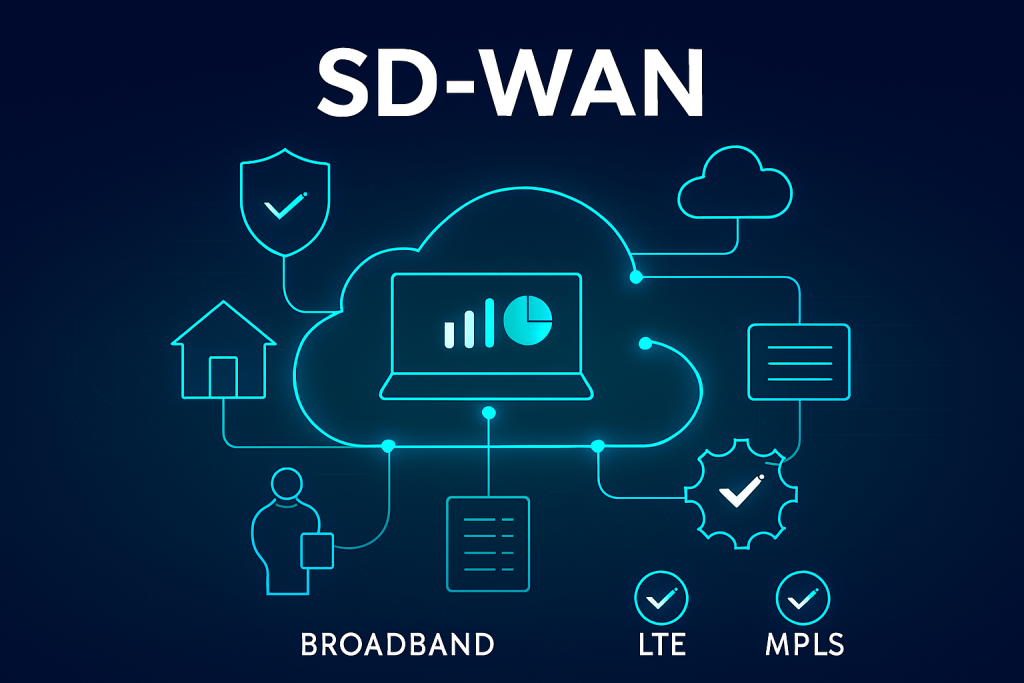
Software-Defined Wide Area Networking (SD-WAN) redefines how organizations connect their people, data, and applications. SD-WAN decouples the network hardware from its control functions rather than relying solely on expensive dedicated circuits or rigid manual management. This enables administrators to manage connectivity from a single, cloud-based dashboard, harnessing broadband, LTE, and private links to deliver the ideal mix of performance and reliability. Moreover, SD-WAN makes network changes fast and simple—deploying new sites, updating policies, or rerouting traffic can be accomplished in minutes, not days. This centralized control is particularly effective for businesses with distributed locations or rapid expansion needs, and with Omada Cloud, these capabilities are enhanced through seamless integration, intelligent management, and real-time network optimization.
Enhancing Network Flexibility
Flexibility is at the heart of any resilient business network. SD-WAN ensures that no single link failure can bring your operations to a standstill. If a primary Internet or MPLS connection encounters issues, traffic is instantly rerouted using the best available path, keeping users connected and productive. This agility not only reduces costly downtime but also provides a seamless experience when navigating bandwidth spikes or unexpected outages. SD-WAN also gives organizations granular control over application traffic, letting you prioritize essential cloud apps, communications, and workflows. This means critical services always receive the bandwidth and performance they require, supporting productivity even at the busiest times and through shifting work patterns.
Cost-Effective Networking
Legacy WAN architectures often force organizations to rely on expensive leased lines and custom equipment, especially to deliver secure, high-performance connections to remote sites. SD-WAN breaks this dependency by enabling the use of cost-effective broadband Internet alongside other connectivity options, such as LTE and MPLS. According to a recent analysis by Gartner, this multi-link approach often delivers substantial savings while maintaining or even enhancing network reliability and speed. The centralized orchestration and automation that comes with SD-WAN also slashes labor costs for network management. IT teams no longer need to travel to regional offices for troubleshooting or manual equipment configuration, enabling businesses to scale efficiently as they grow.
Improving Security Measures
With expanding attack surfaces and strict data privacy regulations, security cannot be an afterthought in digital business strategy. SD-WAN solutions typically provide advanced, built-in security features—such as end-to-end encryption, next-generation firewalls, segmentation, and unified threat management. These elements work together to ensure data privacy, compliance, and protection against cyber threats, even for remote branches and mobile workers. Centralized management further enables consistent policy enforcement across all sites, reducing the risk of configuration drift or human error. IT teams can rapidly implement global security updates and monitor all network traffic for threats, responding in real time as needed.
Boosting Application Performance
Virtually every digital business relies on cloud services, SaaS platforms, and collaboration tools. SD-WAN optimizes how this traffic moves across the network, actively monitoring real-time conditions to steer each packet over the fastest route. This means critical applications—such as video conferences, CRM systems, or ERP tools—always receive priority treatment, reducing latency and frustration for end users. By ensuring optimal performance for these essential tools, organizations can deliver a superior digital experience that supports business productivity and customer satisfaction in equal measure.
Real-World Applications
SD-WAN is transforming digital operations for companies across industries. In Germany and worldwide, leading enterprises use SD-WAN to simplify complex branch networks, secure communications for mobile employees, and enable reliable remote work. Healthcare organizations, for example, leverage SD-WAN to ensure patient data’s safe, fast transmission. At the same time, retailers depend on it to support seamless point-of-sale technologies and e-commerce systems.
Implementing SD-WAN in Your Business
- Assess Your Current Network Infrastructure: Analyze your existing setup, performance pain points, and operational risks.
- Define Your Business Requirements: Outline goals, critical applications, compliance obligations, and budget constraints.
- Choose the Right SD-WAN Solution: Evaluate providers based on features, ease of deployment, security, and customer support.
- Plan the Deployment: Prepare a roadmap for rollout, including site-by-site migration schedules and risk mitigation steps.
- Monitor and Optimize: Use SD-WAN analytics tools for continuous visibility and fine-tuning of network performance and security settings.
Conclusion
Building resilience into your digital business network is no longer a luxury—it’s a necessity for survival and growth. SD-WAN equips organizations with scalable, secure, and responsive network infrastructure that can weather disruptions and enable innovation. By embracing SD-WAN, enterprises of all sizes set the stage for sustainable success in a rapidly shifting digital landscape.