
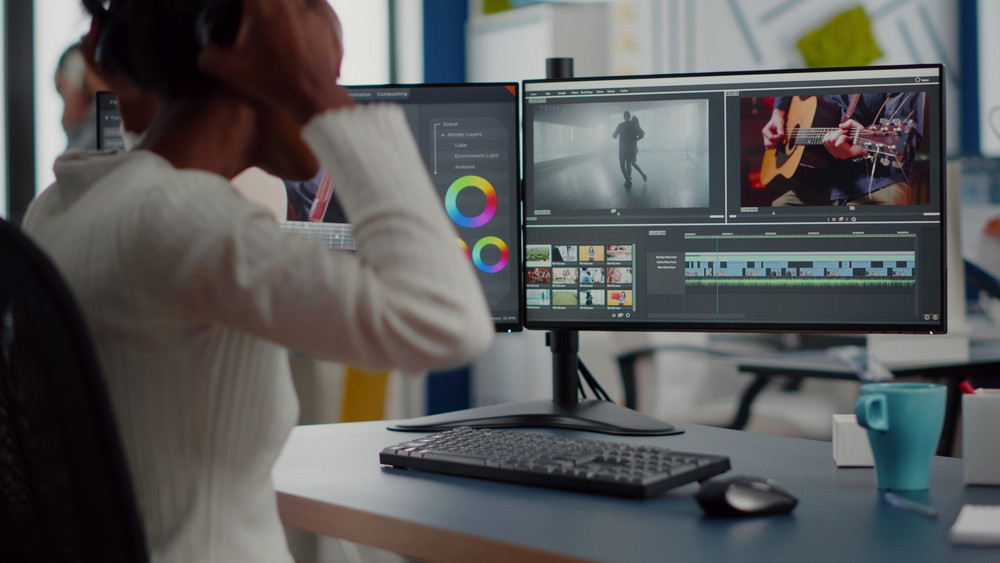
The work-from-home model has reshaped creative industries. Designers, editors, developers, and content producers now run professional operations from living rooms and spare bedrooms. While this shift offers flexibility, it also collapses the boundary between personal and professional risk. Home networks, devices, and physical spaces are now extensions of the workplace. For creatives whose livelihoods depend on original output and client trust, upgrading security systems is no longer optional. It is a strategic investment in continuity, credibility, and long-term value.
Protecting Intellectual Property in a Blended Work Environment
Creative professionals generate and store valuable intellectual property every day. This includes visible assets such as music files or visual designs, along with less obvious materials like proprietary software logic or internal documentation. Copyright law protects multiple categories of work, including audio recordings, visual art, source code, and procedural documents such as internal handbooks. When these assets are stored on personal devices or home servers, weak security makes them easier targets for theft or misuse.
A robust security system helps protect this intellectual capital on multiple fronts. Secure networks, device monitoring, and access controls reduce the risk of unauthorized copying or data removal. Physical measures such as alarms, smart locks, and monitored entry points also protect the hardware used to create and store sensitive work.
For freelancers and independent creators, compromised work affects more than lost files. Clients expect confidentiality and professionalism regardless of location. Strong security signals reliability and reinforces the home studio as a credible business environment rather than a casual workspace.
Reducing Risk From Data Sprawl and Unseen Vulnerabilities
Work-from-home creatives rely on an expanding mix of tools. Cloud storage, collaboration platforms, backups, and client portals all create multiple copies of data across systems. While this improves flexibility, it also introduces blind spots; shadow data, or files that sit outside formal tracking and protection processes, commonly leave these services vulnerable to data breaches.
Upgrading your security system restores visibility and control. Network monitoring can identify unusual activity, while centralized tools help track where sensitive files are stored and accessed. Physical security also matters, as shared living spaces or unattended devices increase the risk of exposure.
For creatives, shadow data extends beyond an IT concern. Drafts, exports, and archived projects often contain client information or unreleased work. A more integrated security approach reduces the chance that critical files are overlooked, protecting both professional credibility and income stability.
Turning Security Upgrades Into Financial and Practical Gains
Security improvements are often framed as pure cost, but for home-based creatives, they can deliver tangible financial benefits. Insurers increasingly recognize the reduced risk associated with monitored homes. Data from Safe Home shows that 31% of insured renters qualify for premium discounts because they use home security devices. For renters who work from home, this can translate into meaningful annual savings.
Beyond insurance, upgraded security can lower indirect costs. Faster incident response, reduced downtime after a breach, and fewer disputes with clients over lost or exposed data all contribute to a more stable operation. Physical security features such as cameras and smart entry systems can also support everyday workflows by enabling secure package delivery or controlled access when collaborators visit.
These benefits reinforce the idea that security is part of infrastructure, not an add-on. Just as creatives invest in better hardware or software to improve output, investing in security improves resilience and predictability. Over time, those gains compound.
For work-from-home creatives, the home is now a studio, an office, and a data center rolled into one. Upgrading security systems addresses this reality head-on. By protecting intellectual property, reducing hidden data risks, and unlocking financial advantages, stronger security supports both creative freedom and professional stability. In an environment where reputation and reliability are everything, security becomes a competitive advantage rather than a defensive measure.