
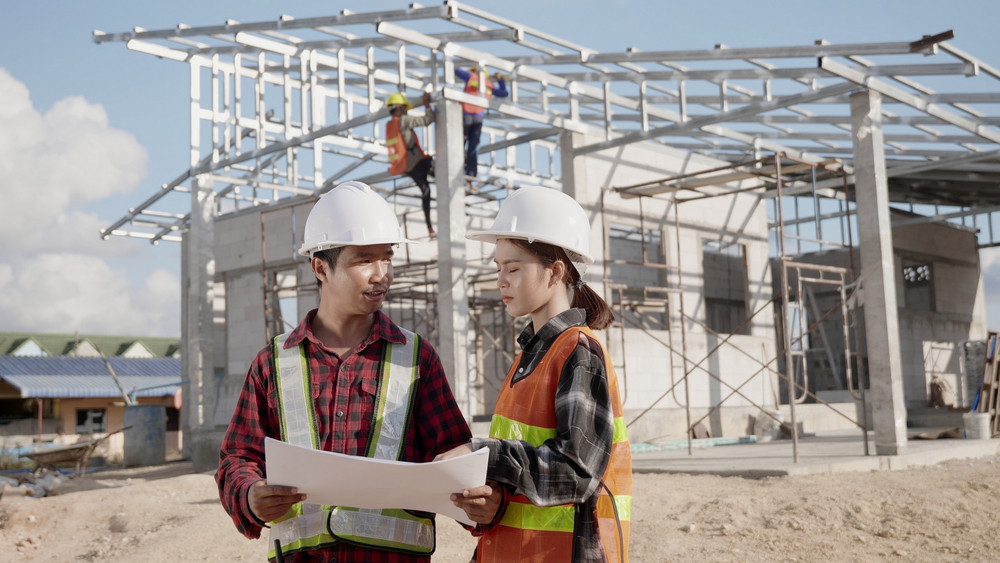
The home construction industry is experiencing one of the most transformative periods in its history. What once relied heavily on manual drafting, traditional tools, and linear building processes has evolved into a technology-driven ecosystem. From digital blueprints and 3D modeling to advanced machinery and smart home integration, emerging technologies are reshaping how homes are designed, constructed, and valued. Today’s residential projects move from blueprint to build with greater precision, efficiency, and customization than ever before.
As innovation accelerates, builders, architects, and homeowners alike are benefiting from streamlined workflows, improved sustainability, and enhanced long-term value. The modern home is no longer just a structure; it’s a product of intelligent systems working together to deliver quality, comfort, and performance.
Digital Design and Building Information Modeling (BIM)
One of the most significant advancements in home construction is the widespread adoption of digital design software and Building Information Modeling (BIM). Instead of relying solely on 2D drawings, architects and engineers now create highly detailed 3D models that integrate structural, electrical, plumbing, and mechanical systems into one cohesive plan.
These digital models allow teams to detect clashes and inefficiencies before construction begins. Adjustments that once required costly on-site corrections can now be resolved during the planning phase. BIM also improves collaboration, enabling contractors, subcontractors, and clients to visualize the finished product and make informed decisions early in the process.
Prefabrication and Modular Construction
Prefabrication has emerged as a powerful solution to labor shortages and tight project timelines. In this approach, key components of a home—such as wall panels, roof trusses, or entire modules—are built in controlled factory environments and then transported to the job site for assembly.
This method reduces material waste, minimizes weather-related delays, and enhances quality control. Factory settings allow for consistent measurements and precise assembly, leading to improved structural integrity. As prefabrication technology continues to advance, builders can complete projects faster without sacrificing craftsmanship or durability.
Advanced Machinery and Equipment Innovation
Construction equipment has evolved dramatically in recent years. Modern machinery incorporates GPS tracking, automation, and real-time performance monitoring to enhance safety and efficiency. Tower cranes, for example, are essential for lifting heavy materials on multi-story residential projects.
The U.S. market for tower crane rentals is forecasted to grow at an annual rate of 5.64% from 2025 to 2035, reflecting increased demand for large-scale residential and mixed-use developments. This growth highlights how advanced lifting equipment plays a critical role in modern construction. Enhanced crane technology improves load accuracy, reduces risk, and speeds up material placement, allowing projects to stay on schedule.
Smart Home Integration From the Start
Technology is no longer an afterthought added after construction is complete. Smart home systems are now integrated directly into the building process. From automated lighting and climate control to advanced security systems, homes are designed to support connected living.
Builders are incorporating structured wiring systems, energy-efficient HVAC technology, and app-controlled devices into initial blueprints. This proactive approach ensures seamless integration and eliminates the need for costly retrofits. As homeowners increasingly prioritize convenience and energy savings, smart-ready homes are becoming the standard rather than the exception.
Outdoor Living Innovations and Design Trends
Emerging technologies are not limited to interiors. Outdoor living spaces have become a central focus in residential construction. About 63% of new homes are built with patios, underscoring the demand for functional exterior spaces.
Design software now allows homeowners to visualize patios, decks, and landscaping elements in 3D before construction begins. Builders use advanced materials such as composite decking and weather-resistant finishes to improve durability. Smart irrigation systems and outdoor lighting automation further enhance usability. These innovations transform backyards into extensions of the home, blending comfort with functionality.
3D Printing and Additive Manufacturing
3D printing is pushing the boundaries of what is possible in residential construction. Large-scale printers can create concrete walls and structural components with remarkable precision. This technology reduces labor requirements and shortens build times while minimizing material waste.
Although still in its early stages for widespread residential use, additive manufacturing holds promise for affordable housing solutions and rapid construction in disaster recovery scenarios. As materials and techniques continue to improve, 3D printing could become a mainstream method for certain aspects of home building.
Energy Efficiency and Sustainable Materials
Energy efficiency has become a defining characteristic of modern home construction. Advanced insulation materials, high-performance windows, and energy-efficient appliances are integrated into designs to reduce utility costs and environmental impact.
Solar panel installations and battery storage systems are increasingly included in new builds. Builders also use sustainable materials such as engineered wood and recycled steel to minimize resource consumption. Emerging technologies help monitor energy performance in real time, allowing homeowners to track usage and make adjustments that enhance efficiency.
Enhancing Property Value Through Strategic Features
Technology-driven construction does more than improve efficiency—it can also increase property value. Features such as automated systems, energy-efficient upgrades, and thoughtfully designed outdoor amenities contribute to long-term appreciation.
For example, the value of a home can be increased about 7% by an in-ground pool. Modern pool construction incorporates energy-efficient pumps, smart temperature controls, and advanced filtration systems. These innovations reduce maintenance demands while enhancing comfort. When integrated thoughtfully into the design, such features can significantly boost market appeal.
Drones and Site Monitoring
Drones have become invaluable tools for construction site management. Equipped with high-resolution cameras and mapping software, drones provide real-time aerial views of project progress. This technology improves oversight, enhances safety inspections, and streamlines communication among stakeholders.
Project managers can quickly identify delays, verify material deliveries, and ensure compliance with design plans. Drone data also supports accurate reporting and documentation, reducing disputes and improving accountability. As drone capabilities expand, their role in residential construction continues to grow.
The Future of Home Construction
The journey from blueprint to build has never been more technologically advanced. Digital modeling, prefabrication, automation, and smart integration are redefining what is possible in residential construction. Outdoor living trends, energy efficiency innovations, and value-enhancing features reflect evolving homeowner priorities.
As the demand for housing grows and technology continues to evolve, the construction industry will likely see even greater advancements. Robotics, AI-driven design optimization, and expanded use of sustainable materials promise to further improve efficiency and quality.
Emerging technologies are not replacing the craftsmanship and expertise that define home construction—they are enhancing them. By embracing innovation, builders can deliver homes that are smarter, more efficient, and more valuable. From the initial digital blueprint to the final inspection, technology is revolutionizing every stage of the process, shaping the future of how—and where—we live.