
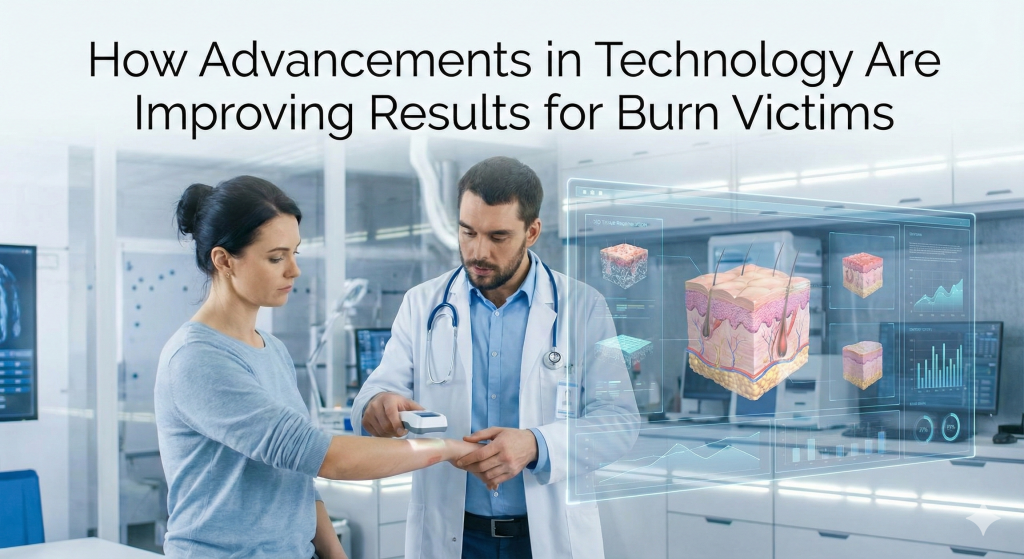
Burn injuries can be among the most physically and emotionally challenging traumas a person can experience. Recovery often requires a combination of medical expertise, long‑term rehabilitation, and emotional support. Fortunately, rapid advancements in medical technology are transforming the landscape of burn care, offering patients better outcomes, faster healing, and improved quality of life. From innovative treatment methods to cutting-edge surgical tools, technology is reshaping what is possible for burn survivors.
Modern Innovations in Wound Care
One of the most significant areas of progress in burn treatment is wound care. Traditional methods often required frequent dressing changes and lengthy healing times, but new technologies are streamlining this process. Advanced wound dressings—such as hydrogel, silicone, and antimicrobial materials—help maintain optimal moisture levels and reduce infection risk. Some dressings even incorporate sensors that monitor temperature and moisture, alerting clinicians to early signs of complications. These innovations not only support faster healing but also reduce discomfort for patients during the recovery process.
Breakthroughs in Skin Grafting and Regeneration
Skin grafting has long been a cornerstone of burn treatment, but recent advancements are making the process more effective and less invasive. Techniques such as spray‑on skin, which uses a patient’s own cells to create a regenerative solution, are helping reduce scarring and improve cosmetic outcomes. Tissue engineering is also gaining momentum, with researchers developing lab‑grown skin that more closely mimics natural tissue. These developments are particularly valuable for patients with extensive burns who may not have enough healthy donor skin available. As these technologies continue to evolve, they offer new hope for restoring both function and appearance.
Enhanced Surgical Techniques and Tools
Surgical intervention remains essential for many burn patients, and technology is elevating the precision and effectiveness of these procedures. Surgeons now have access to advanced imaging tools that allow them to assess tissue damage more accurately and plan interventions with greater detail. Laser therapies are being used to reduce scar thickness and improve skin elasticity, offering long‑term benefits for mobility and comfort. In the realm of burn surgery, robotic assistance and minimally invasive techniques are helping reduce recovery times and improve overall outcomes. These tools enable surgeons to work with greater accuracy, ultimately enhancing the patient experience.
Improved Pain Management and Rehabilitation
Pain management is a critical component of burn recovery, and technology is playing a major role in making this process more effective. Virtual reality (VR) therapy, for example, is being used to distract patients during painful procedures, significantly reducing perceived pain levels. Advanced nerve‑blocking techniques and targeted drug delivery systems are also improving comfort during the healing process. Beyond pain control, rehabilitation technologies such as 3D‑printed splints, wearable sensors, and motion‑tracking systems are helping patients regain mobility and strength more efficiently. These tools allow therapists to tailor treatment plans to each patient’s unique needs, supporting a smoother and more successful recovery.
The Future of Burn Care
Looking ahead, the future of burn treatment is filled with promising possibilities. Artificial intelligence is beginning to assist clinicians in predicting healing outcomes and identifying the most effective treatment strategies. Nanotechnology is being explored for its potential to deliver medications directly to damaged tissues, reducing side effects and improving healing. As research continues, the integration of these technologies will likely lead to even more personalized and effective care for burn survivors. The combination of medical expertise and technological innovation is paving the way for a new era in burn treatment—one where patients can expect better outcomes and a higher quality of life.
Conclusion
Advancements in technology are revolutionizing the way burn injuries are treated, offering patients more options, greater comfort, and improved long‑term results. From innovative wound care solutions to sophisticated surgical tools and rehabilitation technologies, each development contributes to a more effective and compassionate approach to burn recovery. As these innovations continue to evolve, they hold the potential to transform the lives of countless burn survivors, providing renewed hope and a path toward healing.