
For general home remodelers updating a kitchen, finishing a basement, or refreshing an older house, comfort and cost often pull in one direction while sustainability pulls in another. Eco-friendly smart home remodeling tackles that tension by treating efficiency, materials, and controls as one coordinated plan instead of scattered upgrades. The challenge is knowing which sustainable home upgrades actually pair well with energy-efficient home systems and which smart home technology benefits deliver real day-to-day value. Done thoughtfully, the result is a home that uses less, wastes less, and feels easier to live in.
Decide If a HELOC Fits Your Sustainable Remodel Budget
Once you’re picturing the upgrades that could make your remodel greener and smarter, the next question is how to fund them without boxing yourself into a rigid loan. A home equity line of credit (HELOC) can be a flexible way to pay for eco-friendly improvements because it lets you borrow against your home’s equity without replacing your existing mortgage. Used for qualifying home improvements, it may also come with potential tax advantages.
Since it’s equity-based, a HELOC can open access to larger amounts than some other options, while still letting you take funds as you need them and manage payments during the draw period. Your borrowing power is shaped by limits tied to equity and the home equity line of credit loan to value ratio, which affects how much you can draw and how that draw-and-repayment flexibility plays out. With the budget approach in mind, it’s easier to evaluate which eco-smart upgrades deliver the biggest payoff.
Understanding Sustainable Smart Remodeling
Sustainable home improvements usually rest on three pillars: efficiency, automation, and clean power. Efficiency reduces how much energy your home needs, starting with the biggest loads like heating and cooling, where 43% of your yearly bill can go. Smart home automation then trims waste by matching lighting, temperature, and appliances to how you actually live.
Why it matters is simple: you cut emissions by using less energy first, not just by buying “greener” gadgets. You also get steadier comfort, fewer surprise utility spikes, and upgrades that keep paying you back month after month.
Think of it like a leaky bucket: insulation and efficient HVAC stop the leaks, smart controls prevent overflow, and solar refills the bucket with cleaner water. With that framework, common upgrade concerns get easier to answer and prioritize.
Eco-Friendly Smart Remodel: Common Questions
Q: What upgrades usually deliver real energy savings first?
A: Start with the biggest energy loads: space conditioning and hot water. Research from RMI shows 95% of in-home GHG emissions come from heating, cooling, and water heating end uses, so tightening the envelope and improving those systems can move the needle fast. Ask for an energy audit or blower-door test to pinpoint the highest-impact fixes.
Q: How hard is smart home installation in an older house?
A: Many devices are low-disruption, like smart thermostats, leak sensors, and plug-in monitors. The main hurdle is often wiring condition and available circuit capacity, so plan for an electrical checkup before you buy a pile of gear. If the home has knob-and-tube, aluminum wiring, or frequent breaker trips, address that first.
Q: Can I remodel in phases without wasting money?
A: Yes, as long as you sequence work so you do not undo finishes later. Do insulation, air sealing, and electrical planning before new drywall, flooring, or cabinetry. Then add automation and clean-energy equipment once loads are reduced.
Q: What energy savings are realistic, not wishful thinking?
A: Savings vary by climate, utility rates, and your starting point, but efficient design can be meaningful over time. Some projects cite that green buildings can cut operating costs by up to 37%, though individual homes may see less. Get contractor quotes that include modeled usage, not just equipment specs.
Q: Why do contractors push “smart” features that feel optional?
A: Some automation is convenient, but some prevents waste, like occupancy-based lighting and schedules that stop heating or cooling empty rooms. Tell your contractor you want controls that reduce run-time, not just add app features. A good rule is to only automate loads you can measure and adjust.
Upgrade Your Electrical Backbone Before You Add Smart Loads
Once you’ve worked through the common “can I really do this?” questions, the next confidence booster is knowing your home’s electrical system can actually carry the upgrades you’re planning.
Upgrading to a higher-capacity electrical panel and adding EV-ready outlets helps your home keep up with the draw of modern smart technology, without constantly bumping into limitations as you add devices and systems. Just as important, that stronger electrical backbone is what makes it practical to integrate solar panels, battery storage, and energy-efficient appliances so they can operate together and meaningfully cut your home’s carbon footprint.
Before you begin any electrical project, prioritize top-quality parts, supplies, and accessories from trusted brands so repairs and upgrades are dependable over the long haul. If you’re sourcing what you’ll need, starting with a wide selection of electrical supplies can help you gather the right components for a reliable install. With capacity and components in mind, the next step is choosing which upgrades to tackle first based on impact, comfort, and payback.
Understanding Upgrade Priorities That Actually Pay Off
A smart remodel works best when you rank upgrades instead of chasing trends. Use an upgrade prioritization framework that scores each project on three things: energy impact, payback period, and day-to-day comfort. The goal is a clear order of operations, so each step supports the next.
This matters because buildings are a huge energy lever, and building construction impact makes small home decisions add up. Payback also keeps momentum high, since about 10 years is a realistic break-even target for some big-ticket upgrades.
Think of it like packing for a trip: first you bring the essentials, then the nice-to-haves. You might start with sealing drafts and smart scheduling, then move to heat pump water heating, then consider solar once your load is reduced. With priorities set, smart controls can unify HVAC, lighting, water heating, and energy monitoring into one system.
Understanding Smart Control Integration
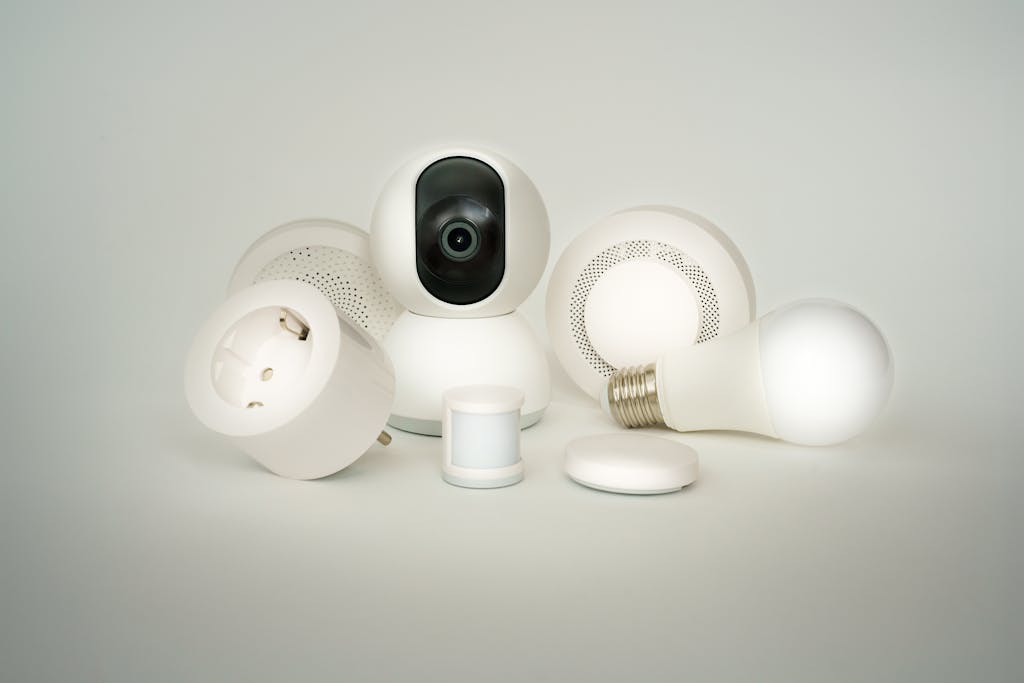
Smart control integration means your HVAC, lighting, water heating, and energy monitor share signals and follow one set of goals. Instead of juggling separate apps, you set rules that coordinate comfort and efficiency. That requires interoperability so devices can talk reliably through a common platform.
Picture a winter weekday: the thermostat eases back when you leave, lights shut off automatically, and the water heater shifts to cheaper hours. Your monitor confirms the drop, so you keep improving instead of guessing. Pick one interoperable control hub, then add the first upgrade you can finish this month.
Start Small to Build an Eco-Friendly Smart Home Remodel
It’s easy to feel stuck between wanting a greener home and not knowing which upgrades will actually work together. The most reliable path is a whole-home mindset, pair sustainable materials and efficiency improvements with integrated smart controls that coordinate comfort and energy use. Done well, the payoff shows up in eco-friendly home benefits like smarter home comfort enhancements, steady environmental impact reduction, and a realistic path toward home value increase. One interoperable plan beats a drawer full of disconnected gadgets. Choose one next step today, set up energy monitoring or connect HVAC and lighting controls, and let that visible progress become your sustainable remodeling motivation. Over time, those small, coordinated upgrades build a home that performs better, stays comfortable, and supports resilience for the long haul.
Featured image via Pexels.