
SMS remains one of the most effective communication channels for businesses, offering speed, visibility, and convenience. Yet even the strongest messaging strategy can fall short if messages fail to reach their intended recipients. Deliverability is the backbone of successful SMS communication, influencing customer engagement, response rates, and overall trust. As carriers strengthen regulations and consumers expect more secure interactions, businesses must adopt practices that ensure their messages consistently arrive on time and without interruption. Improving deliverability is not just a technical effort but a strategic one that enhances the entire customer experience.
Strengthening Sender Reputation Through Compliance
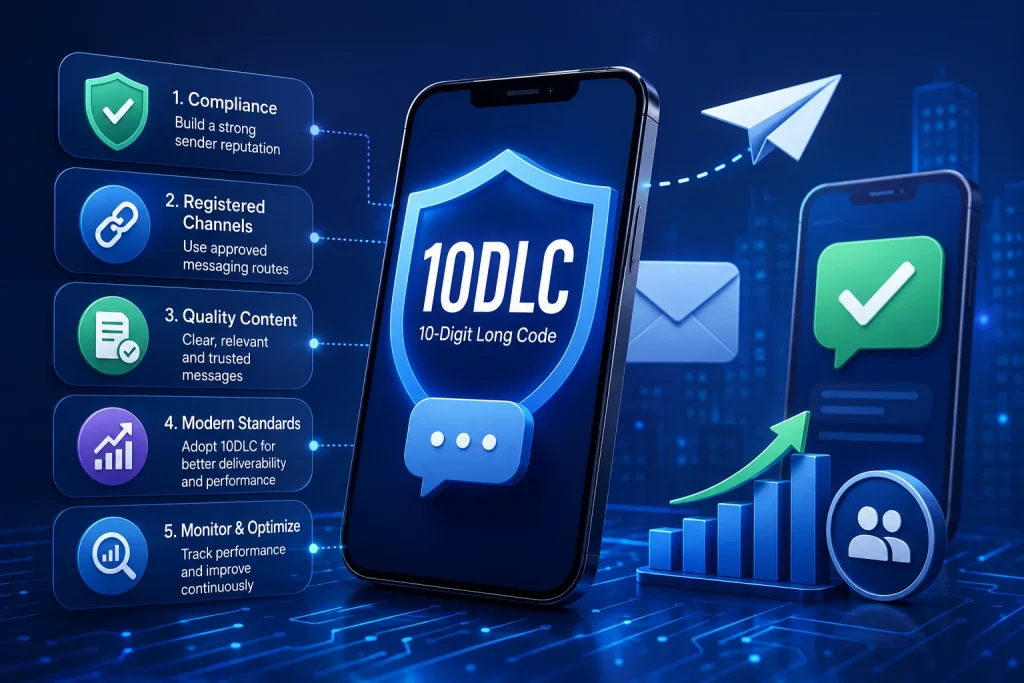
A strong sender reputation is essential for reliable SMS delivery. Carriers evaluate the trustworthiness of each sender, and businesses that follow industry guidelines are more likely to have their messages delivered without filtering or delays. Compliance includes using approved messaging routes, avoiding spam like behavior, and ensuring that all recipients have opted in to receive messages.
Businesses that prioritize compliance demonstrate respect for customer preferences and carrier requirements. This commitment helps maintain a positive reputation, which in turn improves deliverability. When carriers recognize a sender as responsible and trustworthy, messages are more likely to pass through without being flagged or blocked. A strong reputation becomes a long term asset that supports consistent communication.
Using Registered Messaging Channels for Better Reliability
Registered messaging channels provide a structured and verified path for SMS delivery. These channels help businesses avoid the common pitfalls associated with unregistered or unverified routes, such as message filtering or inconsistent delivery times. By using approved channels, businesses ensure that their messages travel through secure, reliable pathways that carriers recognize and support.
This approach is especially important as carriers continue to tighten regulations around business messaging. Registered channels reduce the risk of disruptions and help businesses maintain a steady flow of communication. When customers receive messages reliably, they are more likely to trust the brand and engage with its content.
Implementing High Quality Content That Avoids Filtering
Content plays a significant role in SMS deliverability. Carriers use automated systems to detect and filter messages that appear suspicious, overly promotional, or noncompliant. Businesses can improve deliverability by crafting clear, relevant, and professional content that aligns with carrier guidelines.
Avoiding excessive capitalization, misleading language, or unnecessary links helps ensure that messages are not mistaken for spam. High quality content also enhances the customer experience by providing value and clarity. When messages are well written and purposeful, customers are more likely to read and respond, reinforcing the effectiveness of the communication strategy.
Leveraging Modern Messaging Standards for Improved Performance
Modern messaging standards help businesses stay aligned with carrier expectations and technological advancements. One of the most impactful developments is the shift toward registered and verified messaging systems that support higher deliverability and better security. Businesses that understand what is 10DLC and adopt this standard benefit from improved throughput, reduced filtering, and greater carrier trust.
These standards ensure that messages are sent through approved routes designed specifically for business communication. By embracing modern messaging frameworks, businesses position themselves for long term success and maintain consistent access to reliable SMS delivery.
Monitoring Performance to Maintain Long Term Success
Ongoing monitoring is essential for sustaining strong SMS deliverability. Businesses that track delivery rates, engagement metrics, and carrier feedback can quickly identify issues and adjust their strategies. This proactive approach helps prevent small problems from becoming larger disruptions.
Monitoring also provides valuable insights into customer behavior. By understanding which messages resonate and which may trigger filtering, businesses can refine their content and timing for better results. Continuous improvement ensures that SMS remains a dependable and effective communication channel.
Conclusion
Improving SMS deliverability requires a thoughtful blend of compliance, high quality content, modern messaging standards, and ongoing performance monitoring. When businesses commit to these practices, they create a more reliable communication experience that strengthens customer trust and enhances engagement.