
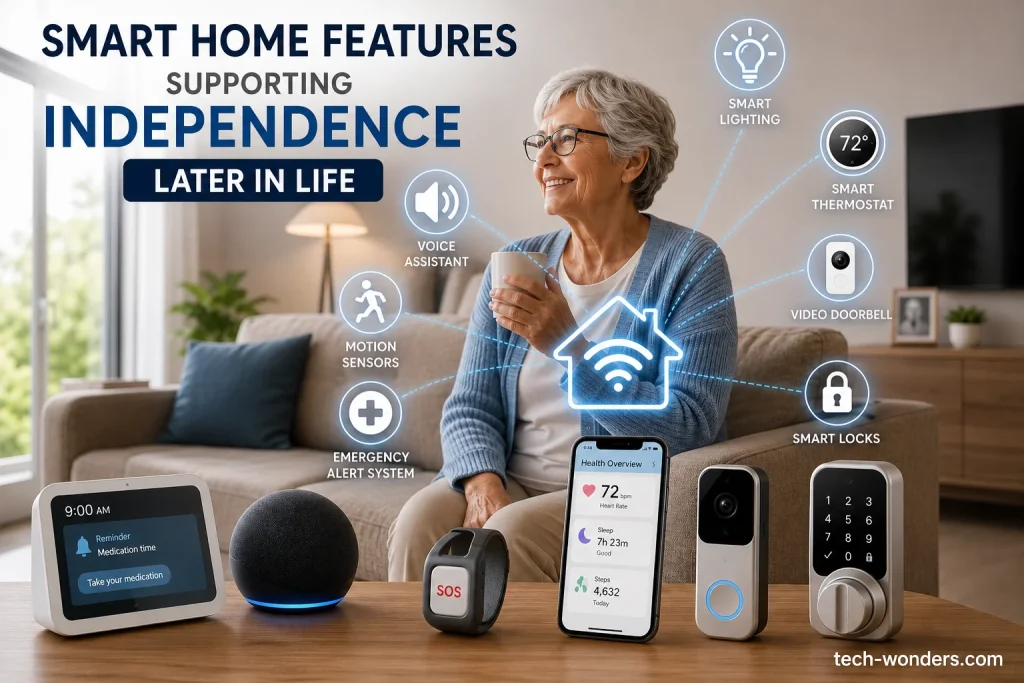
Aging doesn’t have to mean giving up independence. In fact, advances in smart home technology are making it easier than ever for older adults to live safely, comfortably, and confidently in their own spaces. What was once considered futuristic, such as voice-controlled lighting or automated security, is now becoming a practical and accessible part of everyday life.
Smart home features are not just about convenience. For many older adults, they represent a meaningful shift toward maintaining autonomy without sacrificing safety. By reducing physical strain, simplifying daily tasks, and providing peace of mind for both residents and their families, these technologies are reshaping what independent living looks like in later years.
Making Everyday Tasks Easier
Simple daily activities can become more challenging with age, especially when mobility, vision, or dexterity begins to change. Smart home features help bridge that gap by minimizing the need for physical effort.
Voice assistants, for example, allow users to control lights, adjust thermostats, or set reminders without getting up or handling small devices. A simple spoken command can replace multiple steps, making everyday routines smoother and less physically demanding.
Smart appliances also contribute to this ease. Ovens that automatically shut off, refrigerators that track contents, and coffee makers with programmable schedules all simplify daily life. These features not only save time but also reduce the risk of accidents, which becomes increasingly important over time.
By removing small but frequent obstacles, smart home tools enable individuals to maintain their routines with greater confidence.
Enhancing Safety Without Intrusion
Safety is one of the most significant concerns for older adults living independently. Falls, forgotten tasks, or delayed responses in emergencies can quickly turn into serious situations. Smart home technology addresses these concerns while still respecting privacy and independence.
Motion sensors can detect unusual patterns, such as lack of movement during the day or activity at odd hours, and send alerts to caregivers or family members. Smart locks and video doorbells provide added security, allowing residents to see who is at the door without needing to physically answer it.
Emergency response systems have also evolved. Wearable devices and voice-activated alerts make it easier to call for help quickly. Unlike traditional options, many modern systems integrate seamlessly into daily life, avoiding the feeling of constant monitoring.
This balance between safety and independence is key, providing support without making individuals feel restricted.
Supporting Health and Wellness
Smart home features are increasingly playing a role in health management, helping older adults stay on top of their well-being without frequent medical visits.
Medication reminders can be delivered through voice assistants or smart displays, ensuring that doses are not missed. Some systems even track adherence over time, providing useful insights for caregivers or healthcare providers.
Health monitoring devices can track vital signs, sleep patterns, and activity levels. This data can help identify potential issues early, allowing for proactive care rather than reactive treatment.
In environments like Discovery Village Bonita Springs, where modern living meets supportive care, integrating these technologies into daily life demonstrates how digital tools can enhance both independence and overall wellness. The goal is not to replace human care, but to complement it in a way that keeps individuals engaged and informed about their own health.
Adapting the Home Environment
One of the greatest advantages of smart home technology is its ability to adapt to changing needs. As individuals age, their requirements may shift, and their living spaces should be able to evolve accordingly.
Smart lighting systems can automatically adjust based on time of day or movement, reducing the risk of falls in poorly lit areas. Temperature controls can maintain consistent comfort without requiring manual adjustments. Even window blinds can be automated to manage light and privacy with minimal effort.
These adaptations may seem small, but they can have a significant impact on day-to-day comfort and safety. Instead of needing to move or make major renovations, individuals can transform their existing homes into more supportive environments.
This flexibility allows people to stay in familiar surroundings longer, which can be important for emotional well-being as well as practical reasons.
Strengthening Connection and Reducing Isolation
Independence doesn’t mean isolation, and smart home features can help older adults stay connected with the people who matter most.
Video calling devices with simplified interfaces make it easy to connect with family and friends. Some systems can automatically display reminders for scheduled calls or activities, helping users stay socially engaged.
Entertainment options have also expanded. Voice-controlled televisions, music streaming, and audiobooks provide accessible ways to enjoy hobbies and relaxation without complicated setups.
For families, these tools offer reassurance. Being able to check in virtually, send quick messages, or even receive alerts if something seems off can reduce anxiety and strengthen connections across distances.
The result is a sense of independence that remains deeply connected rather than isolated.
Building Confidence Through Technology
One of the less obvious benefits of smart home features is the confidence they can inspire. When individuals feel supported in their environment, they are more likely to engage in activities, maintain routines, and explore their independence.
For example, knowing that lights will turn on automatically at night can make it easier to move around safely. Having a voice assistant available to answer questions or set reminders reduces the cognitive load of managing daily tasks.
Over time, these small reinforcements build a sense of control. Instead of focusing on limitations, individuals can focus on what they are still able to do, with technology acting as a quiet but reliable partner.
This shift in mindset can be just as important as the practical benefits, supporting both emotional and mental well-being.
Conclusion
Smart home technology is reshaping the way independence is experienced later in life. By simplifying daily tasks, enhancing safety, supporting health, and fostering connection, these features create an environment where older adults can thrive on their own terms.
What makes this shift particularly powerful is how seamlessly these tools integrate into everyday life. They are not intrusive or overwhelming when designed thoughtfully. Instead, they work in the background, making life easier without demanding attention.
As technology continues to evolve, its role in supporting independence will likely grow even stronger. For older adults and their families, this means more choices, greater flexibility, and the ability to approach aging with confidence rather than concern.
In the end, independence isn’t just about living alone. It’s about living well, and smart home features are helping to make that possible in ways that feel both practical and empowering.