
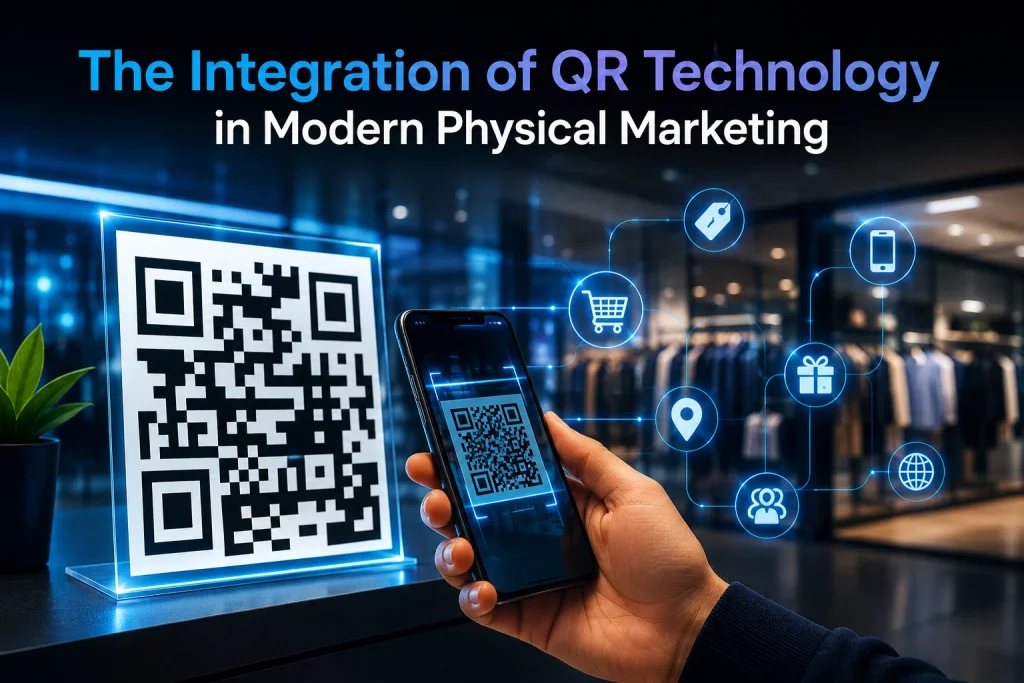
Nowadays, people want quick answers, smooth connections, no waiting around when they interact with companies. Even though old-school ads still exist, scanning squares link real-world moments to online actions in a way that just works. Walk into a shop, open a menu, hold a package, see an ad at a concert – chances are there’s a small square code making it easier. Cheap to produce, simple to update, useful nearly everywhere, these little grids help even the smallest business stay connected. Not flashy, yet effective each time someone points a phone and clicks through.
The Rise of QR Codes in Modern Marketing
Those square patterns called QR codes started out in factories, helping track parts and stock. Yet as phones got smarter and everyone stayed online, their role shifted dramatically. Now companies everywhere rely on them to link real-world items straight to digital content. A printed poster can point someone to a video. Even packaging might lead users somewhere new. Their job is clear – connect what you see around you with information nearby.
With a quick scan, customers jump straight into videos, online reviews, or special offers – no waiting. Print ads just sit there, but these little squares spark movement, pulling people deeper. Moving beyond paper means reaching someone right when they’re curious. Seconds matter, and that speed makes interactions feel natural, almost effortless. Engagement grows because the path from interest to action gets shorter.
Enhancing Customer Engagement Through Interactivity
Most paper ads fail to show clear results when tracking interest. Posters, handouts, flyers – they usually just sit there, seen but not touched. With QR codes, things shift. A quick scan pulls people into something active instead of passive. Response becomes part of the message. A single QR code on a store shelf might lead straight to a video showing how the item works. Behind every sample at a trade event, one of these codes could quietly offer full specs or ways to schedule follow-up talks. Printed brochures turn interactive when each page holds a link to live stock levels and buying paths.
Businesses that use physical promotional materials effectively can increase customer interaction while gathering valuable data about user behavior. A strategically placed QR code on a brochure holder at a retail location can guide customers to a promotional landing page, helping brands track scan rates, conversion performance, and customer interests.
Supporting Omnichannel Marketing Strategies
Out here, shoppers drift without effort from web pages to brick-and-mortar spots. A person might spot something on a shelf, then later dig into reviews using their phone. From there, buying often happens inside an app. Jumping in via QR codes links paper flyers to live websites – no gap, just flow. From a billboard to a phone screen – scanning the code pulls up matching content online. One moment it is paper, the next it links to tailored videos or sign-up forms. Messages stay aligned whether seen on transit ads or timelines. A single trigger spreads the same story through different windows.
Out of reach? Not anymore. QR codes link real-world buys to rewards systems, e-receipts, even quick opinion polls. Each scan opens a door – companies step through later with messages that stick around. Long after the sale wraps up, the chat keeps going.
Improving Consumer Convenience
Right away, folks notice how much easier things get with QR tech around. Getting details fast matters most when time adds up during busy days. When companies make reaching out smoother, standing out feels less like luck. Crowded spaces push brands to try whatever works just a little better.
Out there, eateries began tossing up QR menus just to keep things moving while limiting touchpoints. Moving along, shops started slipping in QR codes so buyers could peek at rival items, past buyer thoughts, or whether something’s actually in stock. Meanwhile, real estate folks stuck those little squares on yard signs – tap and you’re inside a digital walkthrough or flipping through specs. Most people stick around longer when waiting feels shorter. A smoother path to details often means less frustration along the way.
Cost-Effective Marketing With High Flexibility
Out here, old-school ads usually need big money just to print and hand out. Yet with QR codes, changes happen on the fly – no reprinting needed. Materials stay put while info shifts behind the scenes. Not stuck waiting weeks anymore. Updates go live quietly, almost like breathing.
Most marketers find dynamic QR codes useful since they let you switch where the link points, even after printing. When a company runs limited-time deals, it updates discounts, web pages, or schedule changes – no need to reprint brochures or posters. The original scan stays active. Because it adjusts easily, less gets thrown away while future spending on ads goes down.
Strengthening Data Collection and Analytics
With QR tech, tracking results becomes straightforward. Print ads usually offer little insight into how well they work. Yet scanning a code reveals user actions instantly. This shift allows adjustments while campaigns still run. From how often scans happen to where they occur, companies gather details on devices used and when people interact. Because patterns emerge, teams adjust outreach efforts based on real-world actions instead of guesses. What someone does after scanning shapes future messaging – timing matters just as much as place.
Take a QR code on a store poster. When lots of people scan it but few buy, what happens next matters. The page it opens might need tweaking. Maybe the offer is unclear or the steps are too long. Shifting that detail could help. Now picture several stores running the same campaign. One location pulls stronger numbers. Look close at that one.
The Future of QR Technology in Physical Marketing
The role of QR technology in marketing is expected to expand as consumer expectations continue evolving. Advancements in augmented reality, artificial intelligence, and personalized marketing will likely increase the capabilities of QR-driven experiences.
Future campaigns may include interactive product demonstrations, virtual shopping assistants, or location-based offers triggered through QR scans. Businesses that embrace these innovations early can create stronger customer relationships and differentiate themselves in competitive markets.
Final Remarks
QR technology has transformed physical marketing by creating direct connections between offline materials and digital experiences. Businesses now have the ability to engage consumers instantly, collect valuable analytics, and support seamless omnichannel strategies. From improving customer convenience to enhancing campaign flexibility, QR codes offer practical solutions for brands seeking stronger engagement and measurable results.